
Air Quality Monitor PM2.5 PM10: Accurate Monitoring for Healthier Air
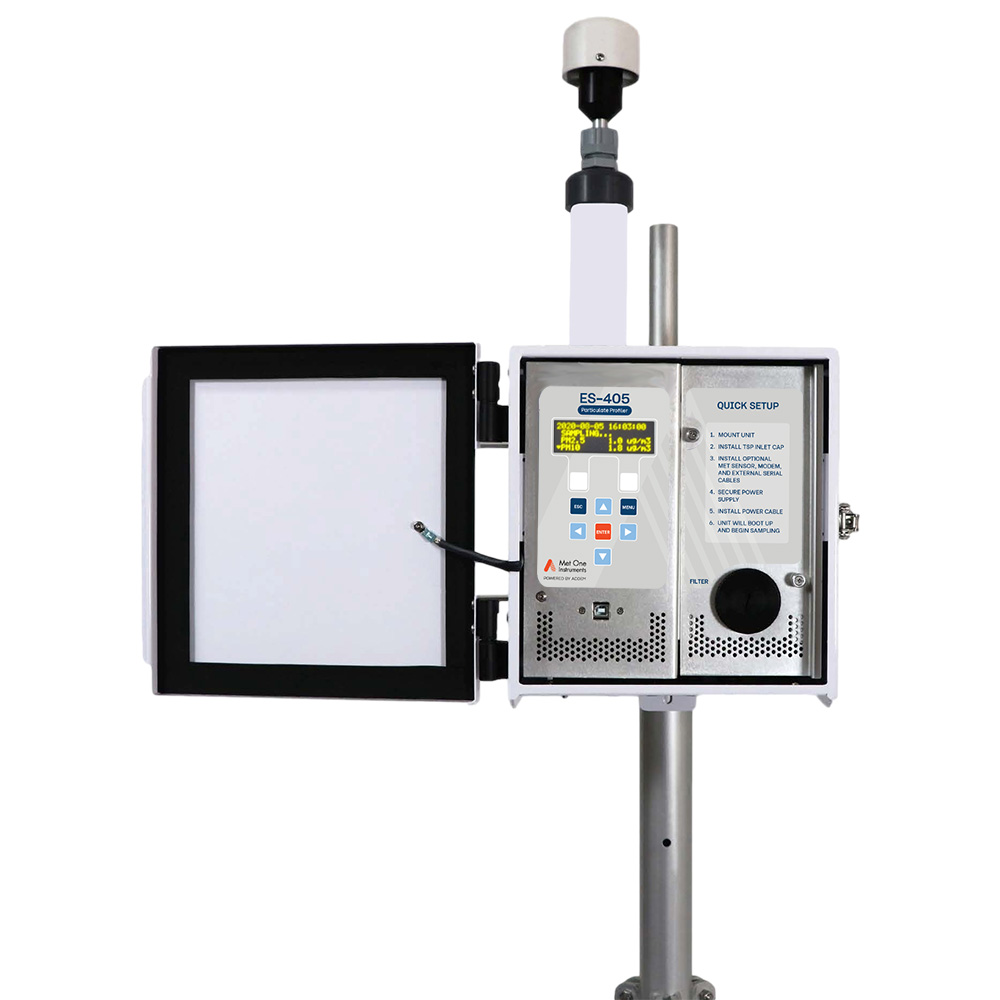
Air pollution has become a major concern in both urban and industrial environments. Among the various pollutants present in the air, particulate matter is one of the most harmful. An Air Quality Monitor PM2.5 PM10 is a reliable device designed to measure fine and coarse dust particles, helping individuals and organizations understand air quality levels and take timely action to protect health and safety.
What Is an Air Quality Monitor PM2.5 PM10?
An air quality monitor PM2.5 PM10 is a device that measures the concentration of particulate matter suspended in the air. It focuses on two critical particle sizes:
PM2.5: Fine particles smaller than 2.5 micrometers that can penetrate deep into the lungs and enter the bloodstream.
PM10: Coarse particles up to 10 micrometers, commonly generated by construction, traffic, and industrial activities.
These monitors provide real-time or continuous data, usually displayed in micrograms per cubic meter (µg/m³), allowing users to assess air quality accurately.
Why PM2.5 and PM10 Monitoring Is Important
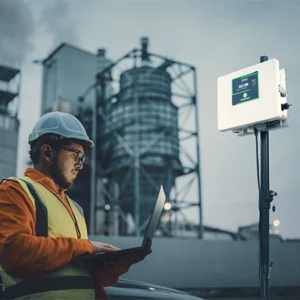
Exposure to high levels of PM2.5 and PM10 is linked to respiratory diseases, asthma, allergies, heart problems, and reduced lung function. Long-term exposure can be especially dangerous for children, elderly individuals, and people with existing health conditions.
Monitoring PM2.5 and PM10 helps:
Identify unhealthy air conditions early
Reduce health risks through timely ventilation or control measures
Improve indoor and outdoor air quality
Support compliance with environmental and workplace safety standards
How an Air Quality Monitor Works
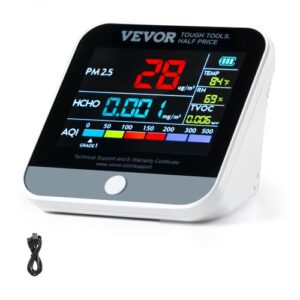
Most air quality monitors PM2.5 PM10 use optical or laser-based sensors. Air is drawn into the device, and particles pass through a light beam. The scattered light is detected and analyzed to calculate particle size and concentration.
Common features include:
Real-time PM2.5 and PM10 readings
Continuous monitoring and data logging
Digital display or cloud-based dashboard
Alerts when air quality exceeds safe limits
Connectivity via Wi-Fi, Bluetooth, or GSM
Applications of Air Quality Monitors PM2.5 PM10
Air quality monitors PM2.5 PM10 are widely used in:
Homes, offices, schools, and hospitals
Industrial plants and manufacturing units
Construction and demolition sites
Mining and quarrying operations
Environmental and urban air quality monitoring
These devices are suitable for both indoor and outdoor applications, depending on the model and enclosure.
Benefits of Using an Air Quality Monitor PM2.5 PM10
Using an air quality monitor offers several advantages:
Accurate measurement of harmful particulate matter
Better protection for health and well-being
Improved workplace and environmental safety
Data-driven decisions for pollution control
Support for regulatory compliance
Increased awareness of air quality trends
Choosing the Right Air Quality Monitor PM2.5 PM10
When selecting an air quality monitor, consider factors such as measurement accuracy, sensor quality, real-time monitoring capability, durability, data storage, and connectivity options. For indoor use, compact and easy-to-use devices may be sufficient, while industrial or outdoor applications require robust systems with continuous monitoring and reporting features.
Conclusion
An Air Quality Monitor PM2.5 PM10 is an essential tool for understanding and managing air pollution. By accurately measuring fine and coarse particulate matter, it helps protect health, improve safety, and ensure compliance with air quality standards. Whether used at home, in workplaces, or in industrial environments, investing in a reliable air quality monitor is a proactive step toward cleaner air and a healthier future.