
Dust Monitor: A Complete Guide to Improving Air Quality and Workplace Safety
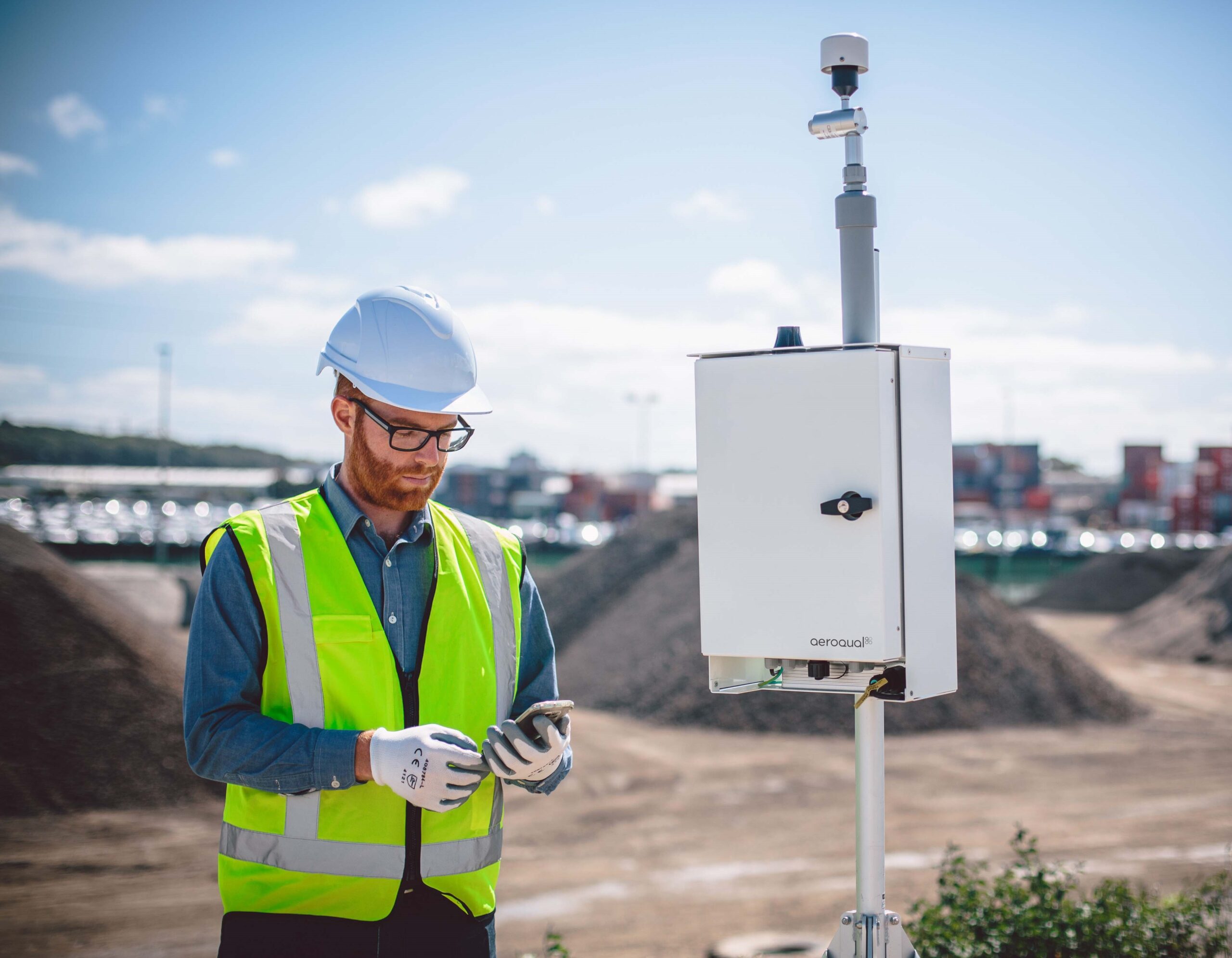
Air quality has become a growing concern across industries, construction sites, manufacturing plants, and even residential spaces. One of the most effective tools for maintaining safe and healthy environments is a dust monitor. These devices play a crucial role in detecting airborne particulate matter, ensuring compliance with safety regulations, and protecting human health.
In this blog, we’ll explore what a dust monitor is, how it works, its benefits, and why investing in one is essential.
What Is a Dust Monitor?
A dust monitor is a device designed to measure the concentration of airborne dust particles in real time. It detects particulate matter such as PM1, PM2.5, PM4, and PM10, which are tiny particles that can penetrate the lungs and cause serious health issues.
Dust monitors are widely used in:
-
Construction sites
-
Industrial facilities
-
Mining operations
-
Warehouses
-
Environmental monitoring
-
Indoor air quality management
How Does a Dust Monitor Work?
Most modern dust monitors use laser-based light scattering technology. When dust particles pass through a laser beam, the scattered light is measured and converted into particle concentration data.
Key features often include:
-
Real-time dust level readings
-
Data logging and reporting
-
Alarm systems for high dust levels
-
Wireless connectivity (IoT-enabled models)
-
Integration with environmental management systems
Why Is a Dust Monitor Important?
1. Protects Health and Safety
Exposure to high dust levels can lead to respiratory problems, asthma, lung diseases, and long-term health complications. A dust monitor helps identify hazardous conditions early and reduces health risks.
2. Ensures Regulatory Compliance
Many industries must comply with air quality standards set by organizations such as OSHA, EPA, and WHO. Using a dust monitor helps meet legal requirements and avoid penalties.
3. Improves Workplace Productivity
Cleaner air leads to healthier employees, fewer sick days, and improved productivity. Continuous dust monitoring ensures a safer working environment.
4. Prevents Equipment Damage
Excessive dust can damage machinery and electronics. Monitoring dust levels helps in preventive maintenance and reduces equipment downtime.
Types of Dust Monitors
Portable Dust Monitors
-
Lightweight and handheld
-
Ideal for spot checks and short-term monitoring
-
Commonly used by safety inspectors
Fixed Dust Monitors
-
Installed at specific locations
-
Provide continuous, long-term monitoring
-
Suitable for industrial and outdoor applications
Personal Dust Monitors
-
Worn by workers
-
Measure individual exposure levels
-
Useful in high-risk environments
Applications of Dust Monitors
-
Construction dust monitoring
-
Industrial air quality control
-
Environmental impact assessments
-
Mining and quarry operations
-
Indoor air quality monitoring
-
Smart city pollution management
How to Choose the Right Dust Monitor
When selecting a dust monitor, consider:
-
Particle size measurement range (PM1, PM2.5, PM10)
-
Accuracy and calibration standards
-
Real-time data access
-
Alarm and alert features
-
Portability or fixed installation needs
-
Compliance with international standards
Dust Monitor and SEO: Why This Keyword Matters
The keyword “dust monitor” is highly relevant for businesses in environmental monitoring, industrial safety, and air quality solutions. Optimizing content around this keyword helps:
-
Attract targeted organic traffic
-
Reach decision-makers and safety professionals
-
Improve search engine rankings
-
Increase brand authority in environmental solutions
Conclusion
A dust monitor is not just a device—it’s a vital tool for safeguarding health, ensuring compliance, and maintaining clean air standards. Whether you’re managing an industrial facility, construction site, or indoor workspace, investing in the right dust monitoring solution can make a significant difference.
As air quality awareness continues to grow, dust monitors will remain an essential part of modern environmental and workplace safety strategies.