
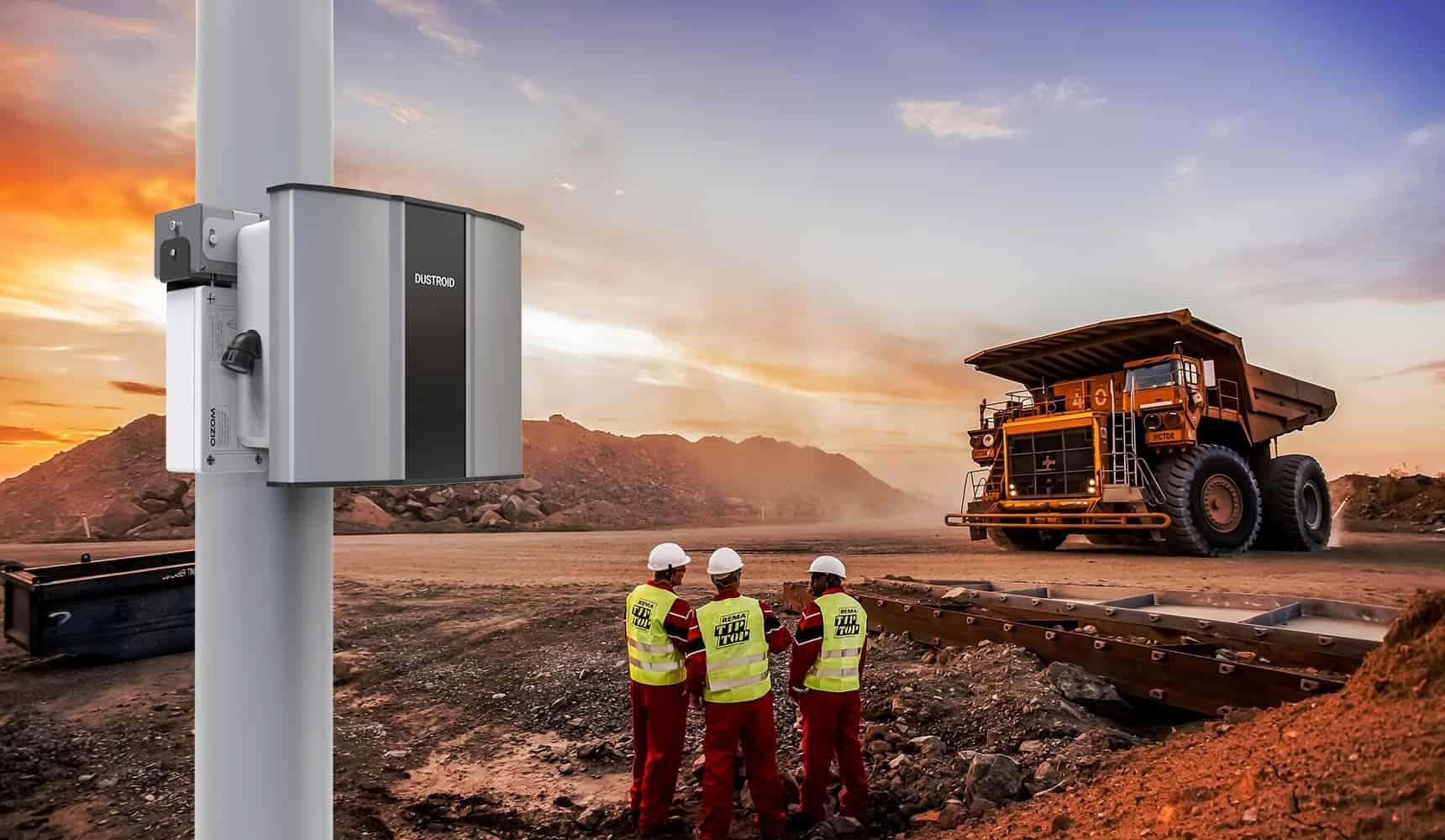
Air quality has become a growing concern in homes, offices, factories, and cities. Dust particles in the air may be invisible to the naked eye, but their impact on health, productivity, and equipment can be significant. This is where a dust monitor plays a vital role. A dust monitor is a device designed to measure and track the concentration of dust and particulate matter in the air, helping individuals and organizations take timely action to improve air quality.
What Is a Dust Monitor?
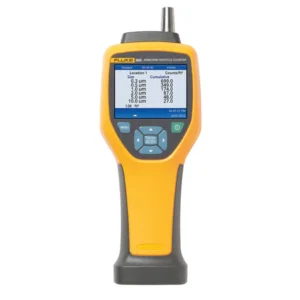
A dust monitor is an air quality monitoring device that detects and measures airborne dust particles such as PM10, PM2.5, and sometimes even finer particles. These particles can originate from construction activities, industrial processes, traffic emissions, household cleaning, or natural sources like soil and pollen. Modern dust monitors use advanced sensors—often laser-based or optical—to provide real-time readings of particle concentration in micrograms per cubic meter (µg/m³).
Why Dust Monitoring Is Important
Dust may seem harmless, but prolonged exposure to high levels of particulate matter can lead to serious health problems. Fine particles like PM2.5 can penetrate deep into the lungs and even enter the bloodstream, increasing the risk of respiratory diseases, allergies, asthma, and cardiovascular issues. For children, the elderly, and people with pre-existing conditions, the risks are even higher.
Beyond health, dust monitoring is critical in industrial and commercial environments. Excessive dust can damage machinery, contaminate products, and reduce operational efficiency. In construction and mining sites, monitoring dust levels is often a regulatory requirement to ensure worker safety and environmental compliance.
How a Dust Monitor Works
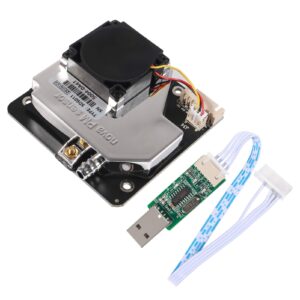
Most dust monitors operate using optical sensing technology. A light source, such as a laser, illuminates the air sample inside the device. When dust particles pass through the light beam, they scatter the light. Sensors then detect this scattered light, and the device calculates particle size and concentration based on the scattering pattern.
Advanced dust monitors can:
Provide real-time data and historical trends
Trigger alerts when dust levels exceed safe limits
Integrate with mobile apps or cloud dashboards
Log data for compliance and reporting purposes
Some monitors are portable and battery-powered, while others are fixed installations designed for continuous monitoring.
Types of Dust Monitors
Dust monitors are available in various forms depending on the application:
Indoor Dust Monitors
Ideal for homes, schools, hospitals, and offices. These devices help maintain healthy indoor air quality and are often combined with temperature and humidity sensors.Industrial Dust Monitors
Used in factories, warehouses, cement plants, and manufacturing units. They are built to withstand harsh environments and provide accurate, continuous measurements.Construction and Outdoor Dust Monitors
Designed for open environments such as construction sites, roads, and mining areas. These monitors help control environmental pollution and meet regulatory standards.Portable Dust Monitors
Lightweight and easy to carry, these are useful for inspections, audits, and short-term monitoring tasks.
Benefits of Using a Dust Monitor
The advantages of installing or using a dust monitor go beyond simple measurement:
Health Protection: Early detection of high dust levels allows timely ventilation, filtration, or evacuation.
Regulatory Compliance: Helps meet air quality standards and avoid penalties.
Operational Efficiency: Reduces equipment wear and contamination in industrial settings.
Data-Driven Decisions: Historical data helps identify pollution sources and evaluate control measures.
Environmental Responsibility: Supports sustainable practices by reducing airborne pollution.
Choosing the Right Dust Monitor
When selecting a dust monitor, it’s important to consider your specific needs. Key factors include the type of particles measured (PM2.5, PM10), accuracy, real-time monitoring capability, data storage, connectivity options, and environmental durability. For home use, simplicity and ease of use may be priorities, while industrial users may require high precision, rugged design, and integration with existing systems.
The Future of Dust Monitoring
With the rise of smart cities and IoT-based solutions, dust monitoring is becoming more intelligent and connected. Modern systems can automatically adjust ventilation systems, send instant alerts to smartphones, and contribute data to larger air quality networks. As awareness of air pollution grows, dust monitors will continue to play a crucial role in protecting health and improving living and working environments.
Conclusion
A dust monitor is no longer a luxury—it is a necessity in today’s polluted world. Whether used at home, in an office, or on an industrial site, it provides valuable insights into air quality and helps prevent health risks and operational issues. By investing in the right dust monitoring solution, you take a proactive step toward cleaner air, safer spaces, and a healthier future.