
Dust Monitor PM10: Why It Matters for Air Quality and Health
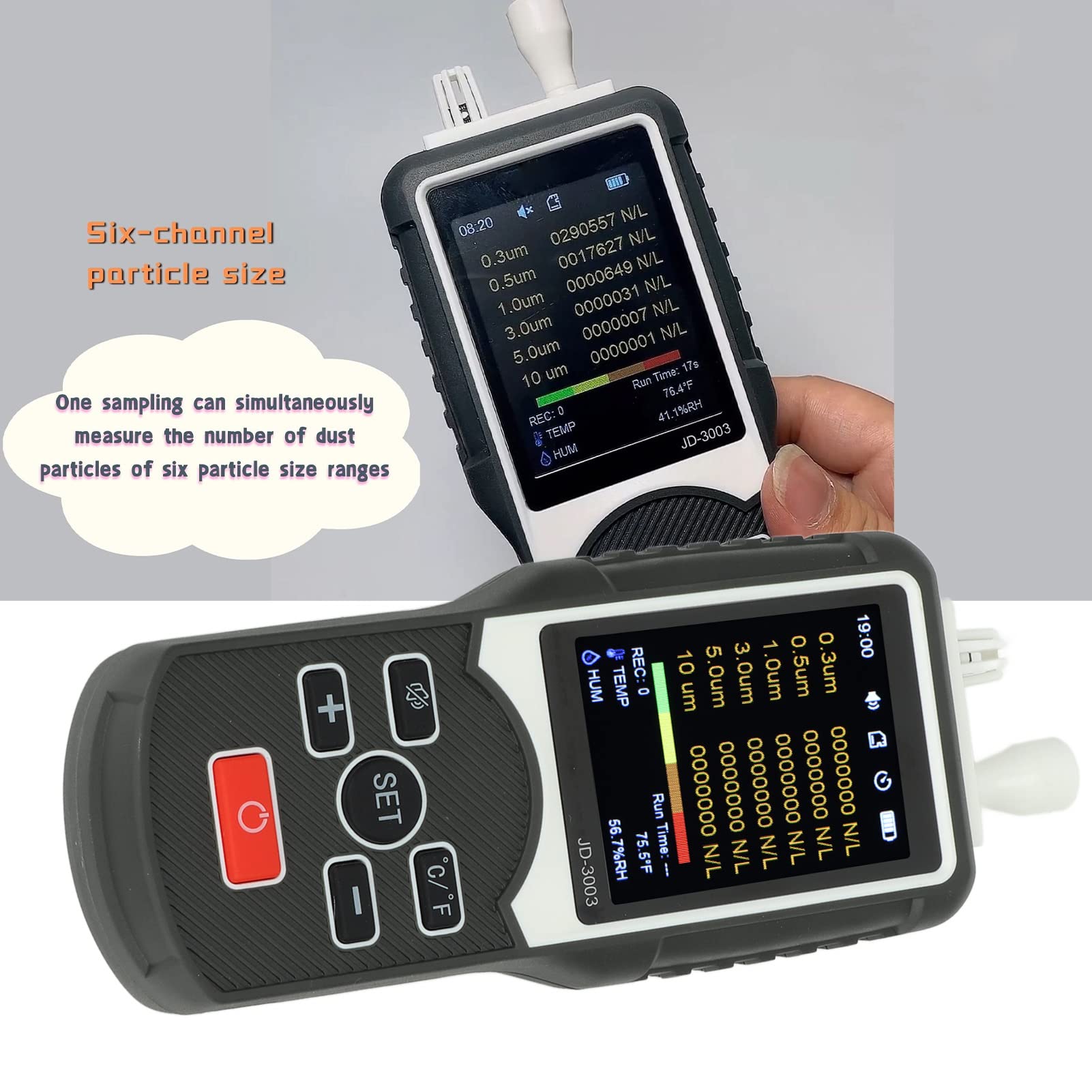
Air pollution is one of the biggest environmental health challenges of our time. Among the various pollutants that affect air quality, particulate matter—especially PM10—plays a significant role in compromising human health, industrial safety, and environmental quality. A Dust Monitor PM10 is an essential tool for accurately measuring the concentration of coarse dust particles in the air, enabling individuals and organizations to make informed decisions for cleaner and safer environments.
What Is PM10?
PM10 refers to particulate matter with a diameter of 10 micrometers or less. These particles are small enough to remain suspended in the air but large enough to be inhaled into the respiratory system. Common sources of PM10 include road dust, construction activity, industrial emissions, soil particles, and even natural elements such as pollen.
Because of their size, PM10 particles can bypass the nose and throat’s natural defense mechanisms and enter the lungs, potentially leading to respiratory irritation and health problems.
What Is a Dust Monitor PM10?
A Dust Monitor PM10 is a device designed specifically to measure the concentration of PM10 particles in the air. It uses advanced sensing technology—often optical or laser scattering—to detect and quantify airborne particles in real time. The monitor displays results in micrograms per cubic meter (µg/m³), enabling users to assess air quality instantly and take appropriate action.
Dust Monitor PM10 devices can be used in:
Industrial settings to monitor workplace air safety
Construction sites to prevent excessive dust exposure
Urban monitoring for environmental protection
Indoor spaces such as offices, schools, and hospitals
Why Monitoring PM10 Matters
Monitoring PM10 is essential for several reasons:
Protecting Human Health
PM10 particles can irritate the eyes, nose, and throat and contribute to respiratory conditions like bronchitis, asthma, and chronic obstructive pulmonary disease (COPD). Long-term exposure increases the risk of severe health issues, especially for children, the elderly, and people with pre-existing conditions.
Improving Workplace Safety
In industrial environments, elevated PM10 levels can affect worker performance and safety. Continuous monitoring helps organizations identify high-risk zones and implement dust control measures such as ventilation, water spraying, or dust suppression systems.
Regulatory Compliance
Many countries, including India, have air quality standards and guidelines that set acceptable limits for PM10 concentrations. Accurate monitoring ensures compliance, helps avoid penalties, and supports environmental reporting.
How a Dust Monitor PM10 Works
Most Dust Monitor PM10 devices use optical or laser-based sensors. The process typically involves:
Air Intake: The device draws in ambient air.
Light Scattering: A laser or LED light source illuminates the particles.
Detection: Particles scatter light, which is detected by sensitive sensors.
Calculation: The monitor calculates particle sizes and concentrations based on the scattered light.
Display: Results are displayed in real time and may be logged for analysis.
Advanced monitors also offer connectivity options (Wi-Fi, Bluetooth, GSM) for remote monitoring and data management.
Benefits of Using a Dust Monitor PM10
Using a Dust Monitor PM10 offers several advantages:
Real-Time Data: Instant visibility into air quality and dust levels
Improved Health Protection: Helps reduce exposure to harmful PM10
Enhanced Safety: Identifies areas requiring mitigation measures
Data Recording: Supports reporting and trend analysis
Regulatory Compliance: Helps organizations meet pollution control standards
Applications of Dust Monitor PM10
Dust Monitor PM10 devices are used in various environments, including:
Industrial plants and manufacturing units
Construction and demolition sites
Urban air quality monitoring stations
Schools, hospitals, and offices
Mining, cement, and processing facilities
Choosing the Right Dust Monitor PM10
When selecting a Dust Monitor PM10, consider:
Measurement accuracy and sensitivity
Real-time monitoring capability
Durability and environmental protection
Connectivity and data logging features
Ease of use and maintenance
Industrial users may prefer rugged and continuous monitoring systems, while residential or indoor applications might prioritize compact, user-friendly devices.
Conclusion
A Dust Monitor PM10 is an indispensable tool for understanding and managing air quality. By accurately tracking PM10 levels, it helps protect health, maintain safety standards, and support environmental compliance. Whether for industrial sites, construction zones, cities, or indoor environments, investing in a reliable Dust Monitor PM10 is a proactive step toward breathing cleaner, healthier air.