
Dust Monitor PM2.5: A Complete Guide to Monitoring Fine Particulate Matter
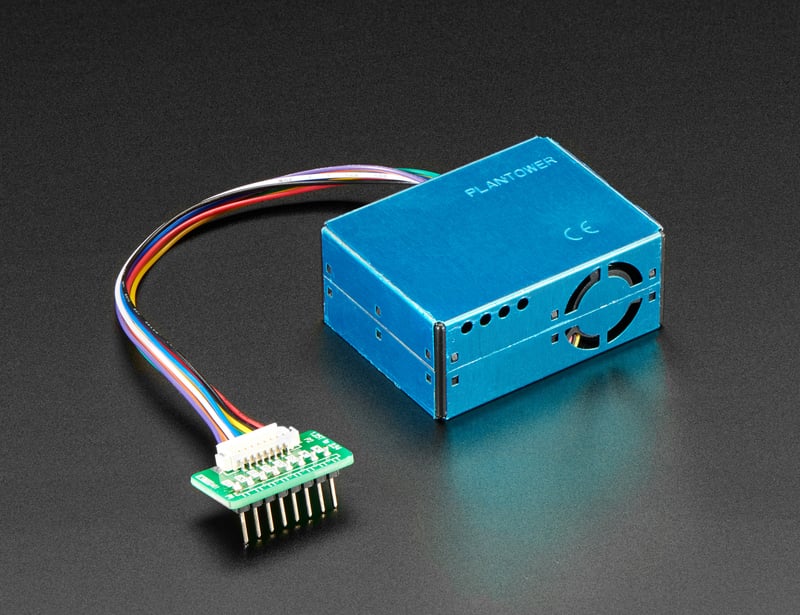
Air pollution is a growing concern globally, and particulate matter—especially PM2.5—is one of the most harmful components affecting human health and environmental quality. A Dust Monitor PM2.5 is a specialized device designed to measure fine airborne particles, providing real-time insights into air quality and helping users take timely action to protect health and safety.
What Is PM2.5?
PM2.5 refers to particulate matter with a diameter of 2.5 micrometers or less—about 30 times smaller than the width of a human hair. Due to their tiny size, these particles can penetrate deep into the lungs and even enter the bloodstream, causing serious health effects. PM2.5 is produced by sources such as vehicle emissions, industrial processes, combustion of fossil fuels, construction dust, and even natural sources like wildfires.
What Is a Dust Monitor PM2.5?
A Dust Monitor PM2.5 is an air quality device specifically designed to detect and measure the concentration of PM2.5 particles in the air. It provides real-time or continuous readings of particulate levels expressed in micrograms per cubic meter (µg/m³). This information helps users understand current air quality conditions and make decisions to improve indoor or outdoor environments.
Dust Monitor PM2.5 devices are used in:
-
Homes and apartments
-
Offices, schools, and hospitals
-
Construction sites and urban areas
-
Industrial workplaces and factories
-
Environmental monitoring stations
Why PM2.5 Monitoring Matters
Protecting Human Health
PM2.5 particles can lodge deep in the lungs and enter the bloodstream, increasing the risk of:
-
Respiratory infections
-
Chronic bronchitis
-
Asthma attacks
-
Cardiovascular disease
-
Reduced lung development in children
People with pre-existing conditions, children, and the elderly are most vulnerable to PM2.5 exposure.
Improving Indoor Air Quality
Indoor environments can accumulate PM2.5 from cooking, candles, smoking, and outdoor air infiltration. A Dust Monitor PM2.5 helps identify periods of poor air quality so you can improve ventilation or use air purifiers.
Workplace Safety and Compliance
In industrial and construction settings, PM2.5 monitoring helps employers reduce exposure risks, comply with health regulations, and support worker safety programs.
How Dust Monitor PM2.5 Works
Most Dust Monitor PM2.5 devices use optical or laser scattering technology. The device draws in air, and particles pass through a light beam. When particles scatter the light, sensors detect the pattern and calculate particle concentration levels.
Common features include:
-
Real-time PM2.5 readings for instant awareness
-
Continuous data logging for historical trends
-
Digital display or cloud dashboard
-
Alerts/notifications when levels exceed safe limits
-
Connectivity via Wi-Fi or Bluetooth for remote monitoring
-
Data export for analysis and reporting
Benefits of Using a Dust Monitor PM2.5
Using a Dust Monitor PM2.5 offers several advantages:
-
Instant awareness of air quality conditions
-
Improved protection of health and wellbeing
-
Actionable data to improve ventilation or filtration
-
Support for regulatory compliance and safety audits
-
Trend analysis for long-term air quality planning
Applications of Dust Monitor PM2.5
Dust Monitor PM2.5 devices are useful in many environments:
-
Residential: Homes, apartments, and condos
-
Commercial: Offices, schools, hotels, and retail spaces
-
Industrial: Factories, warehouses, and manufacturing plants
-
Construction: Job sites and demolition areas
-
Outdoor Environmental Monitoring: Urban air quality assessment
Choosing the Right Dust Monitor PM2.5
When selecting a Dust Monitor PM2.5, consider:
-
Accuracy and sensor quality
-
Real-time monitoring capability
-
Data logging and export features
-
Connectivity options (Wi-Fi, Bluetooth, cloud)
-
Display clarity and alerts system
-
Durability and ease of maintenance
For industrial use, rugged and continuous monitoring systems are ideal. For homes and offices, compact and user-friendly models are suitable.
Conclusion
A Dust Monitor PM2.5 is a powerful tool for understanding and managing air quality. By providing accurate measurements of fine particulate matter, it helps individuals and organizations protect health, enhance safety, and make informed decisions to improve air quality. Whether used in homes, workplaces, or outdoor environments, investing in a Dust Monitor PM2.5 is a proactive step toward breathing cleaner, healthier air.