
Dust Monitoring Devices and Dust Monitoring Systems: A Complete Guide to Cleaner and Safer Environments
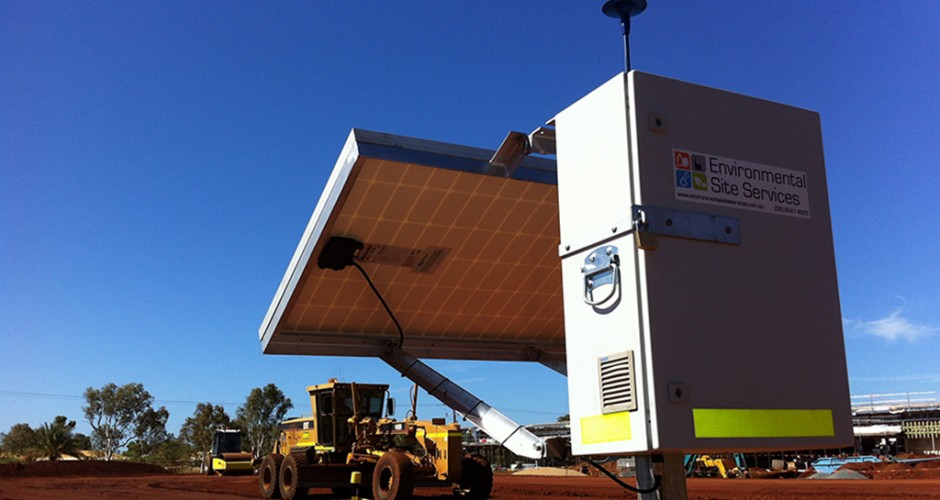
Airborne dust is a major concern across industries, construction sites, and urban environments. Prolonged exposure to dust particles can lead to serious health problems, environmental damage, and regulatory non-compliance. This is where dust monitoring devices and dust monitoring systems play a vital role in maintaining air quality and ensuring safety.
This blog explores what dust monitoring devices and systems are, how they work, their benefits, and why they are essential in today’s air quality management strategies.
What Are Dust Monitoring Devices?
Dust monitoring devices are instruments designed to measure the concentration of dust particles suspended in the air. These devices can detect particulate matter of different sizes, including PM1, PM2.5, PM4, and PM10.
Dust monitoring devices are used for:
-
Measuring real-time dust levels
-
Identifying pollution sources
-
Protecting workers and the public
-
Ensuring compliance with air quality standards
They are available in portable, personal, and fixed configurations depending on application needs.
What Are Dust Monitoring Systems?
Dust monitoring systems are comprehensive solutions that integrate multiple dust monitoring devices with software, data analytics, alarms, and communication tools. These systems provide continuous, automated, and centralized dust monitoring across large areas or multiple locations.
A dust monitoring system typically includes:
-
Fixed dust sensors
-
Data loggers and controllers
-
Cloud-based monitoring software
-
Alert and notification systems
-
Reporting and compliance tools
How Dust Monitoring Devices and Systems Work
Most modern dust monitoring devices use laser light scattering technology. When airborne dust particles pass through a laser beam, they scatter light. The intensity of this scattered light is measured and converted into particle concentration data.
Dust monitoring systems collect data from multiple devices and:
-
Display real-time air quality dashboards
-
Trigger alerts when dust levels exceed limits
-
Store historical data for analysis and reporting
-
Enable remote access via web or mobile platforms
Benefits of Dust Monitoring Devices and Systems
1. Improved Health and Safety
Continuous dust monitoring helps reduce exposure to harmful airborne particles, preventing respiratory illnesses, allergies, and long-term health issues.
2. Regulatory Compliance
Dust monitoring systems help organizations comply with environmental and occupational safety regulations such as OSHA, EPA, CPCB, and WHO guidelines.
3. Real-Time Alerts and Action
Instant alerts allow quick corrective actions, such as adjusting ventilation, water spraying, or stopping operations during high dust events.
4. Data-Driven Decision Making
Historical data and trend analysis help identify pollution sources, optimize processes, and plan mitigation strategies.
5. Enhanced Environmental Protection
Dust monitoring systems help reduce environmental impact by controlling emissions and protecting surrounding communities.
Types of Dust Monitoring Devices
Portable Dust Monitoring Devices
-
Handheld and lightweight
-
Ideal for inspections and short-term surveys
-
Commonly used by safety officers
Fixed Dust Monitoring Devices
-
Installed at permanent locations
-
Provide continuous monitoring
-
Suitable for industrial plants and construction sites
Personal Dust Monitoring Devices
-
Worn by workers
-
Measure individual exposure levels
-
Essential in high-risk industries
Key Applications of Dust Monitoring Systems
-
Construction and demolition sites
-
Manufacturing and industrial facilities
-
Mining and quarry operations
-
Power plants and cement factories
-
Environmental impact assessments
-
Smart cities and urban air quality monitoring
How to Choose the Right Dust Monitoring Solution
When selecting dust monitoring devices and systems, consider:
-
Particle size range (PM1, PM2.5, PM10)
-
Accuracy and calibration standards
-
Real-time data and reporting capabilities
-
Alarm and alert features
-
Scalability and system integration
-
Compliance with international and local standards
Importance of Dust Monitoring in Modern Industries
With increasing awareness of air pollution and stricter environmental regulations, dust monitoring devices and systems have become essential tools for responsible operations. They help organizations demonstrate environmental accountability, improve workplace conditions, and build trust with regulators and communities.
Conclusion
Dust monitoring devices and dust monitoring systems are critical for managing air quality, ensuring regulatory compliance, and protecting human health. From portable devices to fully automated monitoring systems, these solutions provide real-time insights and long-term data to control dust effectively.
Investing in the right dust monitoring system is not just about compliance—it’s about creating safer, cleaner, and more sustainable environments.