
Dust Monitoring Devices: How They Work & Why They Matter
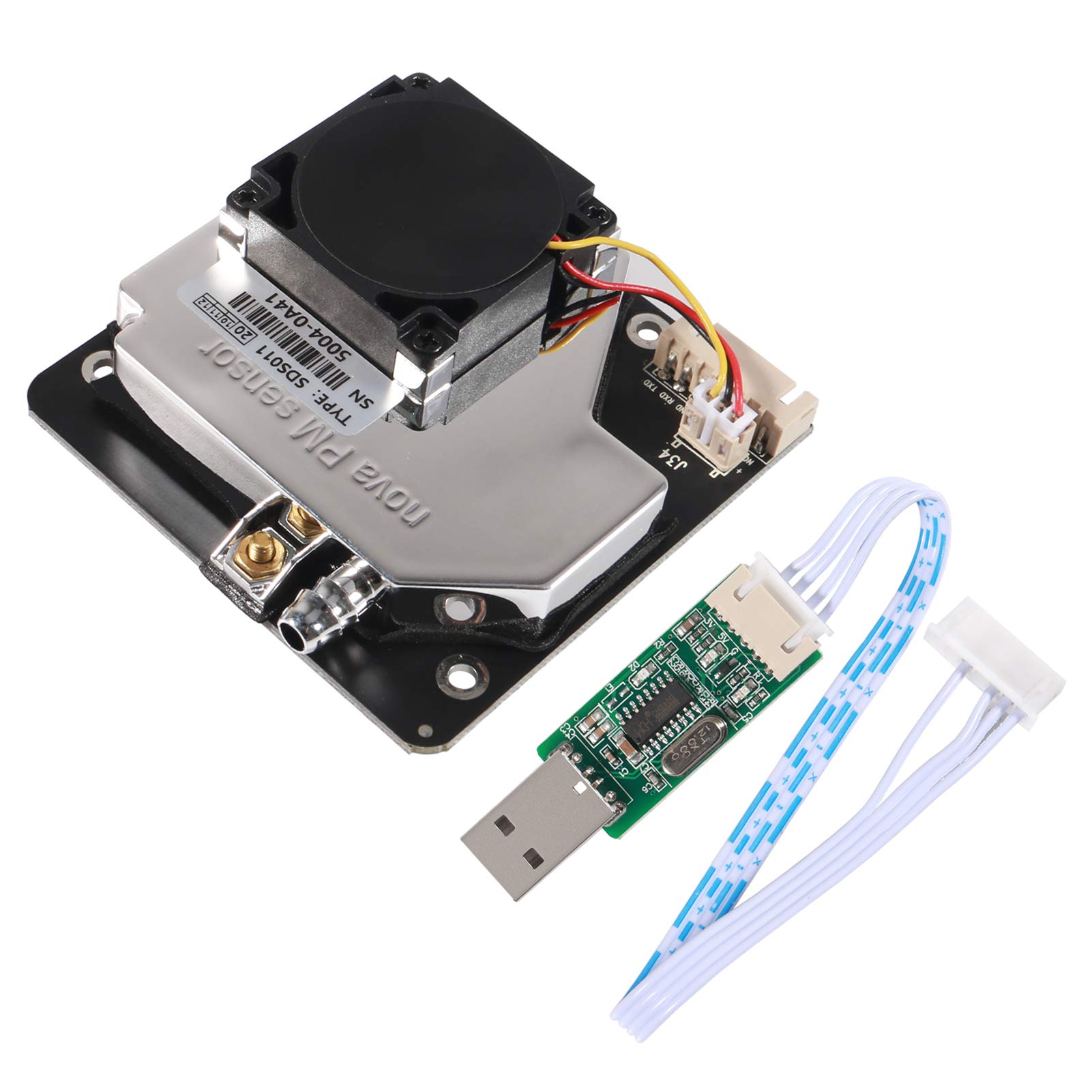
Air quality has become a major concern across residential, commercial, and industrial environments. Among various air pollutants, dust particles are one of the most common and harmful. Dust monitoring devices are designed to measure and track airborne dust levels, helping improve air quality, protect health, and ensure regulatory compliance. These devices are widely used in homes, offices, factories, construction sites, and outdoor environments.
What Are Dust Monitoring Devices?
Dust monitoring devices are instruments used to detect and measure the concentration of dust and particulate matter in the air. They commonly measure particles such as PM10 and PM2.5, which are small enough to be inhaled and can cause serious health issues. These devices provide real-time or periodic data that helps users understand air quality conditions and take preventive actions.
Dust monitoring devices range from compact indoor air quality monitors to advanced industrial systems designed for continuous and large-scale monitoring.
Why Dust Monitoring Devices Are Important
Dust particles may not always be visible, but their impact can be severe. Fine dust particles can penetrate deep into the lungs and, in some cases, enter the bloodstream. Long-term exposure can lead to respiratory diseases, allergies, asthma, and cardiovascular problems.
In industrial and construction environments, high dust levels can also damage machinery, contaminate products, and reduce worker productivity. Additionally, many industries are required to meet environmental and workplace safety standards. Dust monitoring devices help organizations comply with regulations and avoid penalties.
How Dust Monitoring Devices Work
Most modern dust monitoring devices use optical or laser-based sensing technology. Air is drawn into the device, where particles pass through a light beam. When dust particles scatter the light, sensors detect the scattering pattern and calculate particle size and concentration.
Advanced devices offer features such as:
Real-time dust level measurement
Continuous data logging
Alerts when dust exceeds safe limits
Wireless connectivity and cloud dashboards
Historical data and reporting for compliance
Types of Dust Monitoring Devices
Dust monitoring devices are available in different types based on application and environment:
Indoor Dust Monitoring Devices
These devices are used in homes, offices, schools, and hospitals to maintain healthy indoor air quality. They are easy to use and often combine dust measurement with temperature and humidity monitoring.
Industrial Dust Monitoring Devices
Designed for factories, warehouses, cement plants, and manufacturing units, these devices are robust and capable of operating in harsh conditions. They provide accurate and continuous monitoring to ensure worker safety and process efficiency.
Portable Dust Monitoring Devices
Portable or handheld devices are used for inspections, audits, and short-term monitoring. They are ideal for safety officers and environmental consultants who need quick and flexible measurements.
Outdoor and Environmental Dust Monitoring Devices
These devices are installed at construction sites, mining areas, roads, and urban locations to monitor ambient dust levels and control environmental pollution.
Benefits of Using Dust Monitoring Devices
Using dust monitoring devices offers several advantages:
Improves indoor and outdoor air quality
Protects health by reducing exposure to harmful dust
Enhances workplace safety
Supports compliance with environmental regulations
Helps identify dust sources and pollution trends
Reduces equipment damage and maintenance costs
Applications of Dust Monitoring Devices
Dust monitoring devices are widely used in:
Industrial plants and manufacturing units
Construction and demolition sites
Mining and quarrying operations
Offices, schools, and hospitals
Smart cities and environmental monitoring projects
Choosing the Right Dust Monitoring Device
When selecting a dust monitoring device, consider factors such as particle size measurement range, accuracy, durability, data connectivity, and ease of maintenance. Indoor users may prioritize compact design and simplicity, while industrial users require high precision, rugged construction, and compliance-ready reporting.
Conclusion
Dust monitoring devices are essential tools for managing air quality in today’s pollution-prone environments. By providing accurate and real-time data on airborne dust levels, these devices help protect health, improve safety, and ensure compliance with regulations. Whether for indoor spaces, industrial facilities, or outdoor monitoring, investing in the right dust monitoring device is a proactive step toward cleaner air and a healthier future.