
Dust Monitoring Devices: Types, Features and Applications
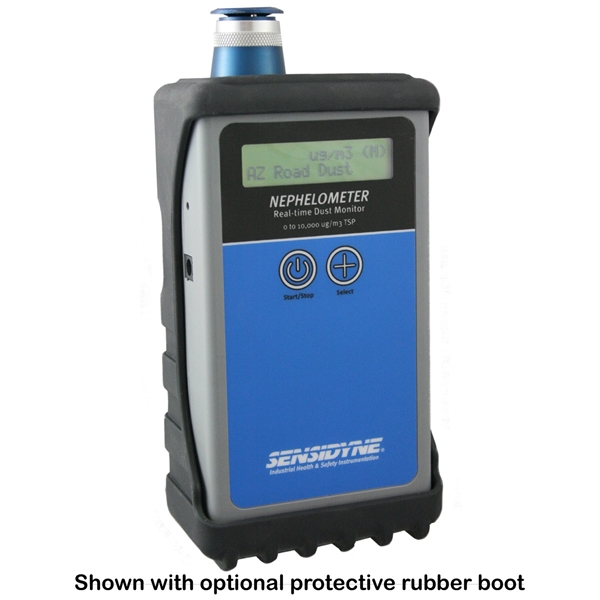
Dust monitoring devices measure airborne dust and particulate matter so you can protect health and meet air quality standards. From handheld meters to fixed monitors, dust monitoring devices come in many types for different needs. In this guide, we explain what dust monitoring devices are, the main types, how they work and how to choose the right one.
What Are Dust Monitoring Devices?
Dust monitoring devices are instruments that measure the concentration of dust and fine particles in the air. They track particulate matter such as PM 10 and PM 2.5 and report the results in real time or over set periods. Modern dust monitoring devices range from pocket-sized meters to rugged industrial units. Because they make invisible dust measurable, they are essential for health, safety and compliance.
Types of Dust Monitoring Devices
There are several types of dust monitoring devices. Handheld devices are portable and ideal for quick spot checks. Fixed devices run continuously at one location. Environmental devices monitor outdoor, ambient air in all weather. Industrial devices are rugged units for harsh plants. The right type depends on where and how you need to measure dust.
Why Dust Monitoring Devices Matter
Dust harms health and breaches regulations, so dust monitoring devices are vital across many settings. Fine particles are invisible, and levels change quickly. Without dust monitoring devices, dangerous pollution can go unnoticed. Therefore, these devices help you act early, protect people and prove compliance with air quality limits.
Key Benefits of Dust Monitoring Devices
- Accurate readings of PM 10 and PM 2.5.
- Real-time alerts on rising dust.
- Health protection for workers and the public.
- Compliance with regulations.
- Data logging for reports and trends.
How Dust Monitoring Devices Work
Most dust monitoring devices use laser light-scattering technology. Air passes through a sensing chamber, and particles scatter a beam of light. The sensor measures the scattering and converts it into dust concentration values. Advanced devices add displays, cloud access, apps and alerts. Because of this, dust monitoring devices deliver reliable, real-time data indoors and outdoors.
Where Dust Monitoring Devices Are Used
- Factories and industrial plants.
- Construction and demolition sites.
- Mining and quarrying zones.
- Homes, offices, schools and hospitals.
- Urban air quality networks.
Choosing the Right Dust Monitoring Devices
When choosing dust monitoring devices, focus on accuracy, type and features. First, confirm precise PM 10 and PM 2.5 measurement. Next, pick the right type: handheld, fixed, environmental or industrial. Also consider connectivity, data storage and alerts. Finally, choose a trusted supplier for calibration and support. Explore our range on the products page, and learn about PM from the US EPA.
Conclusion
Dust monitoring devices make invisible dust visible, measurable and manageable. They protect health, support compliance and help you act before pollution becomes a problem. Whatever your setting, the right dust monitoring devices are a smart investment in cleaner air. To find the ideal device, contact Saksham Scientific today.