

Air pollution caused by dust is a serious concern in industrial, commercial, and even indoor environments. Dust particles may be microscopic, but their impact on health, safety, and operations can be significant. Dust monitoring equipment is designed to measure, track, and control airborne dust levels, helping organizations maintain safe environments and comply with air quality standards.
What Is Dust Monitoring Equipment?
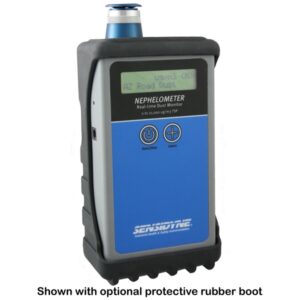
Dust monitoring equipment refers to devices and systems used to detect and measure dust and particulate matter in the air. These devices commonly monitor PM10 and PM2.5 particles, which are small enough to be inhaled and can cause health issues when exposure is prolonged.
Dust monitoring equipment can be used for real-time monitoring or periodic assessments and is available in portable, fixed, and networked configurations depending on the application.
Why Dust Monitoring Equipment Is Important
Dust exposure poses multiple risks across different environments:
-
Health Risks: Fine dust particles can penetrate deep into the lungs, causing respiratory problems, allergies, asthma, and long-term health complications.
-
Workplace Safety: In industrial settings, high dust levels can create unsafe working conditions and, in some cases, explosion hazards.
-
Equipment Protection: Dust accumulation can damage machinery, reduce efficiency, and increase maintenance costs.
-
Regulatory Compliance: Many industries must meet environmental and occupational safety regulations related to air quality.
Using dust monitoring equipment helps identify problems early and supports preventive action.
How Dust Monitoring Equipment Works
Most modern dust monitoring equipment uses optical or laser-based sensing technology. Air is drawn into the device, and dust particles pass through a light beam. The scattered light is analyzed to calculate particle concentration and size.
Common features include:
-
Real-time dust level measurement
-
Continuous data logging
-
Visual displays or cloud dashboards
-
Alerts when dust exceeds safe limits
-
Data storage for audits and compliance
Types of Dust Monitoring Equipment
Dust monitoring equipment is available in several types:
Indoor Dust Monitors
Used in offices, schools, hospitals, and homes to maintain healthy indoor air quality.
Industrial Dust Monitoring Equipment
Designed for factories, warehouses, cement plants, and manufacturing units. These systems are rugged, accurate, and suitable for harsh environments.
Portable Dust Monitoring Equipment
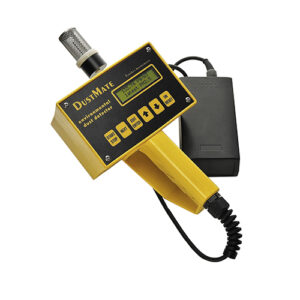
Handheld devices used for inspections, audits, and short-term measurements across different locations.
Outdoor and Environmental Dust Monitoring Equipment
Installed at construction sites, mining areas, and urban locations to monitor ambient dust levels and control pollution.
Benefits of Using Dust Monitoring Equipment
Using dust monitoring equipment offers several advantages:
-
Improves indoor and outdoor air quality
-
Protects health and reduces exposure risks
-
Enhances workplace safety
-
Supports compliance with environmental regulations
-
Helps identify dust sources and pollution trends
-
Reduces equipment damage and downtime
Applications of Dust Monitoring Equipment
Dust monitoring equipment is widely used in:
-
Manufacturing and industrial plants
-
Construction and demolition sites
-
Mining and quarrying operations
-
Power plants and refineries
-
Offices, schools, and healthcare facilities
Choosing the Right Dust Monitoring Equipment
When selecting dust monitoring equipment, consider factors such as accuracy, PM2.5 and PM10 measurement capability, durability, connectivity options, and reporting requirements. Indoor environments may require compact and easy-to-use devices, while industrial sites need robust systems with continuous monitoring and compliance-ready data.
Conclusion
Dust monitoring equipment plays a crucial role in managing air quality and ensuring safe environments. By providing accurate and timely data on airborne dust levels, it helps protect health, improve safety, and meet regulatory requirements. Whether used indoors, outdoors, or in industrial settings, investing in reliable dust monitoring equipment is a proactive step toward cleaner air and sustainable operations.