
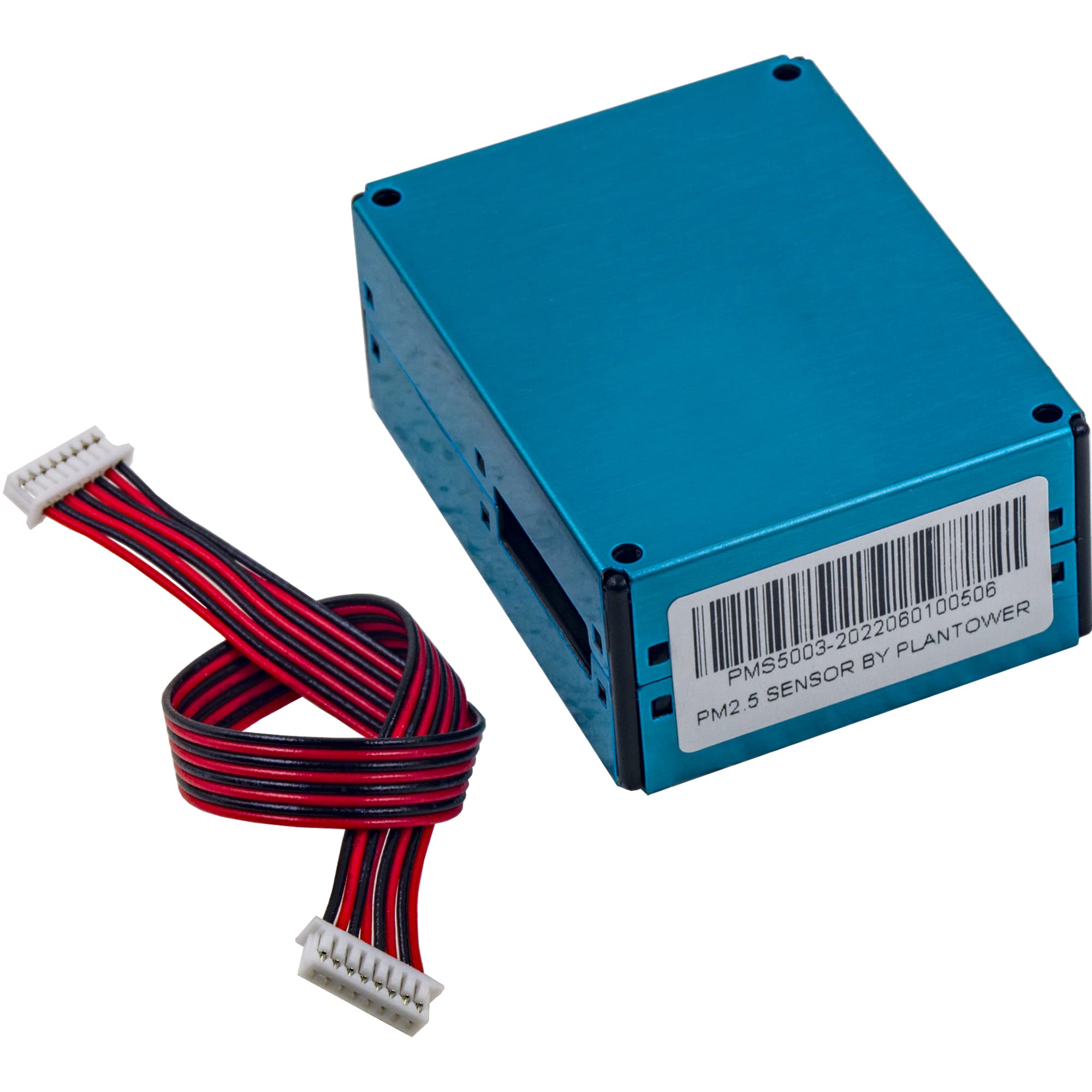
Airborne dust is one of the most common yet harmful forms of air pollution. Fine particles in the air can affect health, safety, and environmental quality across homes, industries, and outdoor spaces. A Dust Monitoring Kit PM10 PM2.5 is a complete solution designed to measure and monitor particulate matter accurately, helping users understand and control air quality in real time.
What Is a Dust Monitoring Kit PM10 PM2.5?
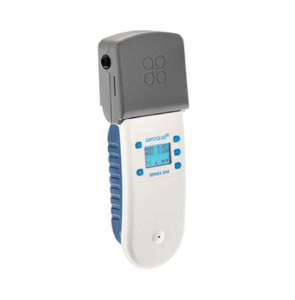
A dust monitoring kit PM10 PM2.5 is a set of instruments used to detect and measure particulate matter suspended in the air. It focuses on two critical particle sizes:
PM10: Coarse particles up to 10 micrometers, commonly generated by construction, road dust, and industrial activities.
PM2.5: Fine particles up to 2.5 micrometers that can penetrate deep into the lungs and pose serious health risks.
The kit typically includes dust sensors, a display or controller unit, power supply, and sometimes connectivity modules for data logging and remote monitoring.
Why PM10 and PM2.5 Monitoring Is Important
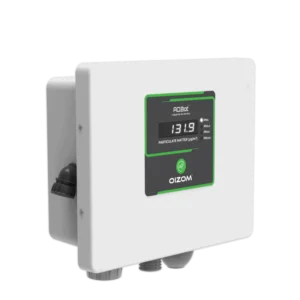
PM10 and PM2.5 particles are directly linked to respiratory diseases, allergies, asthma, and cardiovascular problems. Continuous exposure to high levels can be especially harmful to children, elderly people, and workers in industrial environments.
Monitoring these particles helps:
Detect unhealthy air conditions early
Reduce health risks through timely action
Maintain workplace safety
Meet environmental and occupational regulations
How a Dust Monitoring Kit Works
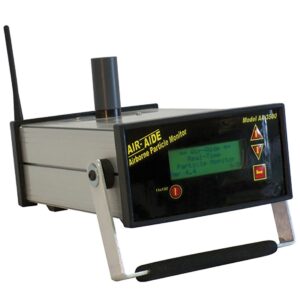
A dust monitoring kit uses optical or laser-based sensors to analyze air samples. Air is drawn into the sensor chamber, where particles pass through a light beam. The scattered light is measured and converted into PM10 and PM2.5 concentration values, usually displayed in micrograms per cubic meter (µg/m³).
Most kits offer:
Real-time PM10 and PM2.5 readings
Continuous monitoring
Visual display or digital dashboard
Data logging for analysis and reporting
Alerts when dust levels exceed safe limits
Applications of Dust Monitoring Kits
Dust monitoring kits PM10 PM2.5 are widely used in:
Industrial plants and manufacturing units
Construction and demolition sites
Mining and quarrying operations
Offices, schools, and hospitals
Environmental and urban air quality monitoring
They are suitable for both indoor and outdoor applications depending on the sensor type and enclosure.
Benefits of Using a Dust Monitoring Kit PM10 PM2.5
Using a dust monitoring kit provides several advantages:
Accurate measurement of harmful particulate matter
Improved health and safety management
Real-time visibility into air quality conditions
Support for regulatory compliance
Data-driven decisions for pollution control
Protection of equipment and processes
Choosing the Right Dust Monitoring Kit
When selecting a dust monitoring kit PM10 PM2.5, consider factors such as sensor accuracy, real-time monitoring capability, durability, data storage options, and connectivity features. Industrial users may require rugged kits with continuous monitoring, while indoor users may prefer compact and easy-to-use systems.
Conclusion
A Dust Monitoring Kit PM10 PM2.5 is an essential tool for understanding and controlling air quality. By accurately measuring both coarse and fine dust particles, it helps protect health, improve safety, and ensure compliance with air quality standards. Whether for industrial use, construction sites, or indoor environments, investing in a reliable dust monitoring kit is a smart step toward cleaner air and a healthier future.