
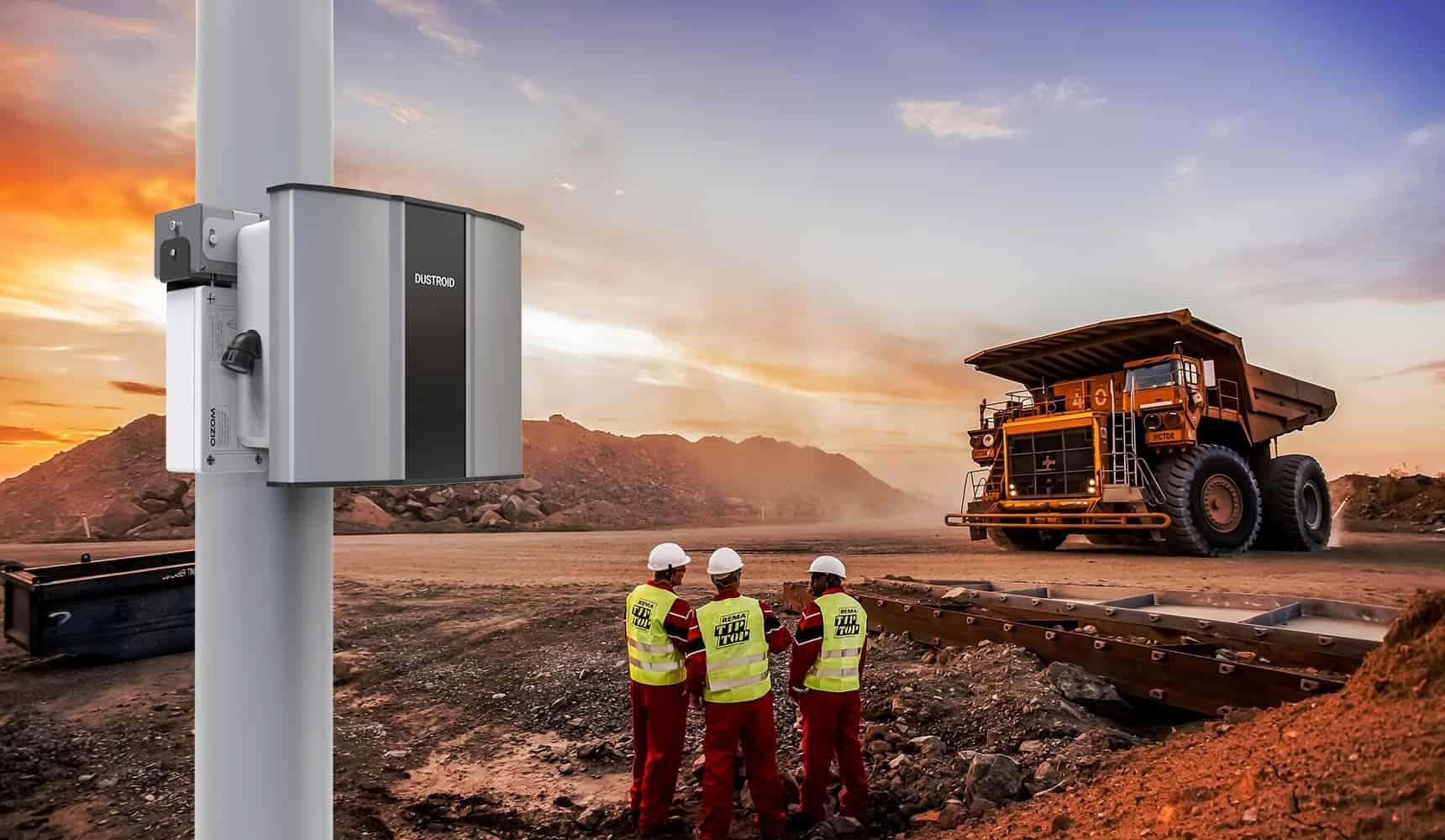
Air pollution is no longer limited to outdoor smog or industrial zones—it has become a concern for homes, offices, construction sites, factories, and public spaces. One of the most effective ways to manage airborne pollution is by using a dust monitoring system. This system continuously measures dust and particulate matter in the air, helping organizations and individuals maintain healthy, safe, and compliant environments.
What Is a Dust Monitoring System?
A dust monitoring system is a combination of sensors, hardware, and software designed to detect, measure, and analyze airborne dust particles. These systems typically monitor particulate matter such as PM10, PM2.5, and sometimes even finer particles. The collected data is displayed in real time through screens, dashboards, or cloud-based platforms, enabling quick decision-making.
Unlike basic air quality devices, a dust monitoring system is often installed for continuous, long-term monitoring and can be integrated with alarms, ventilation systems, and reporting tools.
Why Dust Monitoring Is Important
Dust particles may appear harmless, but prolonged exposure can cause serious health issues. Fine dust particles can penetrate deep into the lungs and may enter the bloodstream, leading to respiratory problems, allergies, asthma, and cardiovascular diseases. For workers in industrial or construction environments, high dust exposure can significantly increase occupational health risks.
From a business and regulatory perspective, dust monitoring is equally critical. Many industries are required to comply with environmental and workplace safety regulations. A reliable dust monitoring system helps organizations avoid penalties, improve worker safety, and demonstrate environmental responsibility.
How a Dust Monitoring System Works
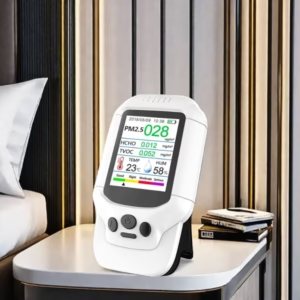
Most dust monitoring systems use optical or laser-based sensors. These sensors draw in air and pass it through a light beam. When dust particles cross the beam, they scatter the light. The system analyzes this scattering to determine particle size and concentration.
Key components of a dust monitoring system include:
Dust sensors for PM2.5 and PM10 measurement
Data logger to store readings
Display or dashboard for real-time visualization
Alerts and alarms for threshold exceedance
Connectivity via Wi-Fi, GSM, or IoT networks
Advanced systems also provide historical data, trend analysis, and automated reports for audits and compliance.
Types of Dust Monitoring Systems
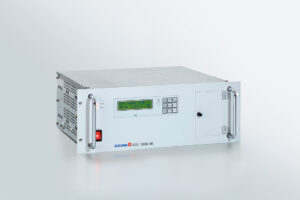
Dust monitoring systems are designed to suit different environments and use cases:
Industrial Dust Monitoring System
Used in factories, cement plants, power plants, and warehouses. These systems are robust, accurate, and capable of operating in harsh conditions.Construction Site Dust Monitoring System
Installed at construction and demolition sites to control dust emissions and comply with environmental norms. They help reduce impact on nearby residential areas.Indoor Dust Monitoring System
Suitable for offices, hospitals, schools, and homes. These systems help maintain good indoor air quality and support health-focused building management.Outdoor and Environmental Monitoring Systems
Used by municipalities and environmental agencies to track ambient dust levels in urban and rural areas.
Benefits of Using a Dust Monitoring System
Implementing a dust monitoring system offers multiple advantages:
Health & Safety Protection: Reduces exposure risks for workers and occupants
Regulatory Compliance: Supports adherence to air quality and pollution control standards
Real-Time Alerts: Enables immediate action when dust levels rise
Data-Driven Decisions: Helps identify pollution sources and evaluate control measures
Operational Efficiency: Prevents equipment damage and product contamination
Environmental Responsibility: Demonstrates commitment to sustainability
Applications of Dust Monitoring Systems
Dust monitoring systems are widely used across various sectors, including:
Manufacturing and industrial plants
Construction and infrastructure projects
Mining and quarrying operations
Healthcare and pharmaceutical facilities
Educational institutions
Smart cities and environmental agencies
Choosing the Right Dust Monitoring System
Selecting the right dust monitoring system depends on your application and environment. Important factors to consider include measurement accuracy, particle size range, durability, data storage, connectivity options, and ease of maintenance. For industrial use, rugged design and compliance-ready reporting are essential, while indoor users may prioritize compact size and user-friendly interfaces.
Conclusion
A dust monitoring system is a vital tool for managing air quality in today’s pollution-prone world. By providing real-time insights into airborne dust levels, it helps protect health, ensure regulatory compliance, and create safer, cleaner environments. Whether for industrial operations, construction sites, or indoor spaces, investing in a reliable dust monitoring system is a proactive step toward better air quality and long-term sustainability.