
Dust Monitoring System for Continuous Air Quality Control
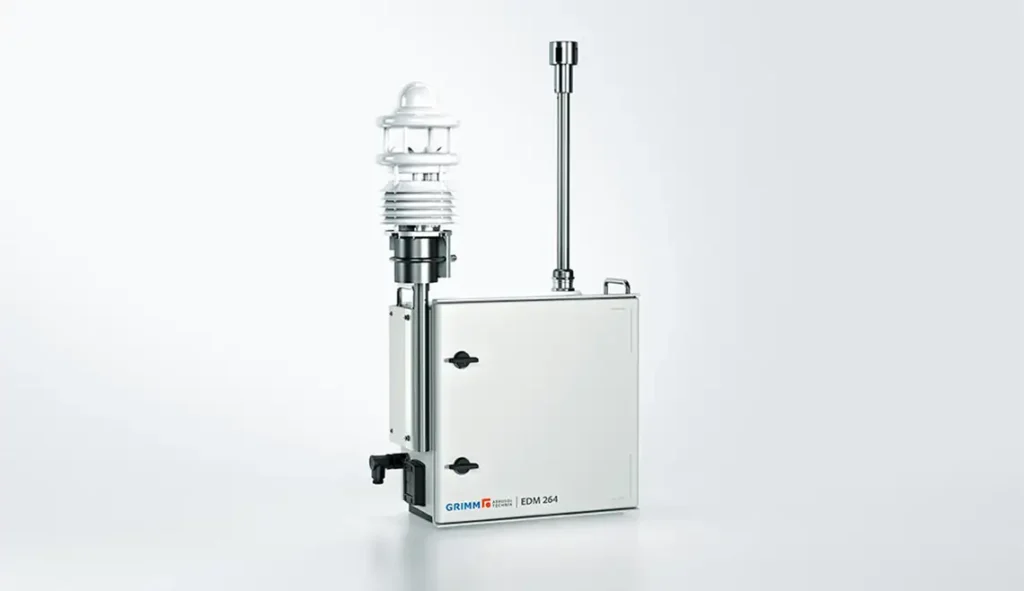
A dust monitoring system connects sensors, software and alerts into one solution for continuous air quality management. Instead of a single reading, a dust monitoring system tracks PM 10 and PM 2.5 over time, stores the data and warns you of problems. In this guide, we explain what a dust monitoring system is, why it matters, how it works and how to choose the right one.
What Is a Dust Monitoring System?
A dust monitoring system is a complete setup that measures, records and reports airborne dust automatically. It usually combines one or more sensors, a data logger, software and a dashboard. A dust monitoring system tracks particulate matter such as PM 10 and PM 2.5 continuously and can cover a single room or an entire site. Because it links everything together, it offers far more insight than a standalone meter.
Why a Dust Monitoring System Matters
Managing air quality needs ongoing data, so a dust monitoring system is more useful than one-off checks. Dust levels rise and fall throughout the day, and patterns reveal the real sources. Without a dust monitoring system, you only see snapshots and miss the bigger picture. Therefore, a system helps you control pollution, prove compliance and protect health over time.
Key Benefits of a Dust Monitoring System
- Continuous, automated monitoring of PM 10 and PM 2.5.
- Central dashboard for all your sensors.
- Automatic alerts and reports.
- Long-term data for trends and audits.
- Scalable from one point to many.
How a Dust Monitoring System Works
A dust monitoring system uses light-scattering sensors to measure particles, then sends the data to a central platform. Sensors placed around a site capture dust levels in real time. The data flows via Wi-Fi, GSM or cable to cloud software, which displays live readings, stores history and sends alerts. Because of this connected design, a dust monitoring system gives a complete, real-time view from anywhere.
Components of a Dust Monitoring System
A typical dust monitoring system has four parts. First, sensors measure PM 10 and PM 2.5 at each location. Second, a data logger collects and timestamps the readings. Third, connectivity sends data to the cloud. Fourth, software and dashboards turn data into alerts and reports. Together, these parts create a reliable, end-to-end dust monitoring system.
Where a Dust Monitoring System Is Used
- Large industrial plants and campuses.
- Smart city air quality networks.
- Construction and infrastructure projects.
- Mining sites and quarries.
- Research and government programmes.
Choosing the Right Dust Monitoring System
When choosing a dust monitoring system, focus on accuracy, scalability and software. First, confirm reliable PM 10 and PM 2.5 sensors. Next, check that the system scales to as many points as you need. Also look at the dashboard, alerts, data storage and reporting. Finally, choose a trusted supplier for setup, calibration and support. Explore our range on the products page, and learn more from the US EPA.
Conclusion
A dust monitoring system turns scattered readings into clear, continuous air quality management. It supports safety, compliance and smarter decisions across any site. Whether you run a plant, a city network or a construction project, the right dust monitoring system is a powerful investment. To design the ideal system, contact Saksham Scientific today.