
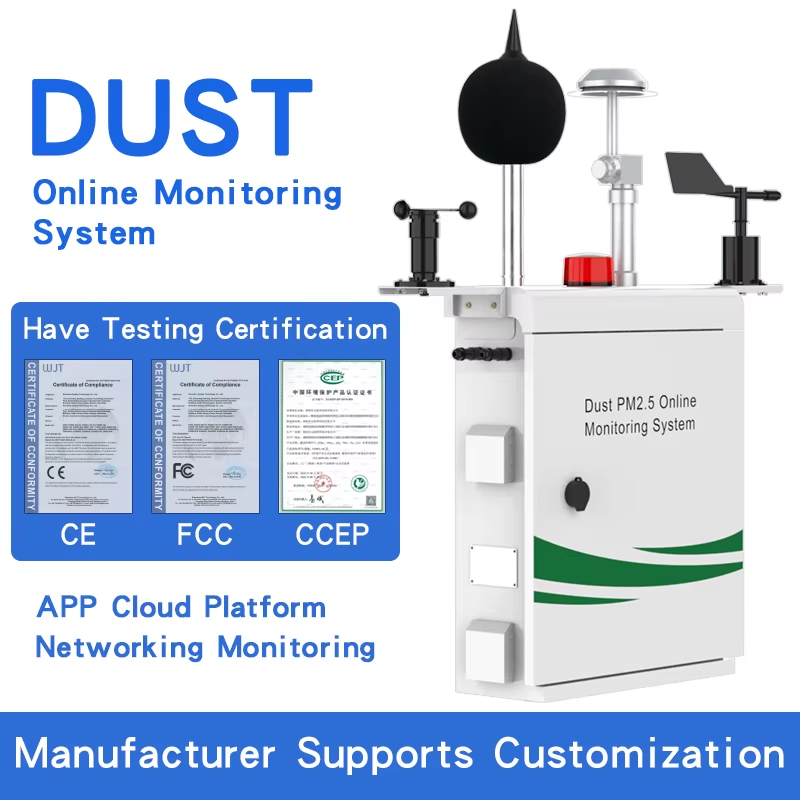
In modern industrial operations, managing dust isn’t just about cleanliness — it’s about health, safety, and regulatory compliance. Fine particulate matter generated by manufacturing, material handling, and processing can pose serious risks to workers and equipment. That’s where industrial dust monitoring equipment comes in: advanced systems that continuously measure airborne particles, helping businesses maintain safe environments and meet legal standards.
What Is Industrial Dust Monitoring Equipment?
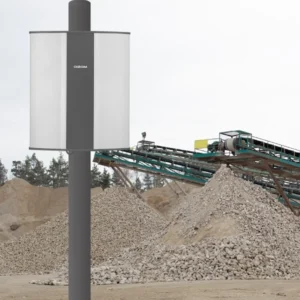
Industrial dust monitoring equipment refers to specialized devices and systems designed to detect, measure, and report dust particles in industrial environments. These systems monitor particulate matter (PM) — typically PM10 and PM2.5 — in real time or over scheduled intervals. The collected data provides insights into air quality, exposure levels, and trends, enabling organizations to act swiftly and appropriately.
Unlike consumer air quality sensors, industrial-grade equipment is built to withstand harsh conditions, deliver high accuracy, and integrate with environmental control systems and compliance reporting tools.
Why Dust Monitoring Matters in Industry
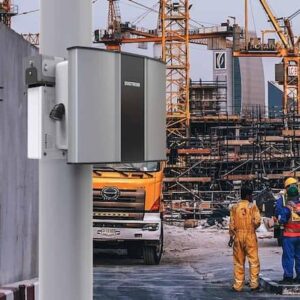
Dust in industrial environments can arise from multiple sources: raw material processing, cutting/sanding operations, combustion activities, and vehicle movement inside facilities. While some dust is visible, much of it is microscopic and potentially more harmful.
Key Risks of Industrial Dust
Health hazards: Fine dust particles can penetrate deep into the respiratory system, causing chronic respiratory conditions, reduced lung function, and cardiovascular issues.
Safety concerns: In certain sectors (e.g., grain handling, chemical plants), dust can create combustible atmospheres that increase the risk of explosions.
Equipment damage: Dust buildup can impair sensitive machinery, leading to frequent breakdowns and higher maintenance costs.
Regulatory non-compliance: National and international regulations set specific exposure limits that companies must meet to avoid fines and legal issues.
Industrial dust monitoring equipment mitigates these risks by providing ongoing visibility into particulate levels.
How Industrial Dust Monitoring Equipment Works
Most industrial dust monitors use laser scattering technology. Air is drawn through a sensing chamber where a laser beam interacts with airborne particles. These particles scatter the light, and sensors detect the scattered light intensity. Sophisticated algorithms calculate particle size and concentration from this data.
Key components include:
Dust sensors (measuring PM2.5, PM10, or both)
Data acquisition units
Digital dashboard or local display
Alert and warning systems
Connectivity (Ethernet, Wi-Fi, GSM, IoT)
Data logging and reporting modules
With real time data and customizable thresholds, facilities can set automated responses like activating ventilation systems or issuing worker warnings when dust exceeds safe limits.
Types of Industrial Dust Monitoring Equipment
Industrial dust monitoring equipment can be broadly categorized based on application and design:
1. Real Time Dust Monitors
These systems provide continuous, live readings of airborne particulate levels. They are ideal for high-risk environments where immediate response is critical.
2. Fixed Dust Monitoring Stations
Installed permanently at specific points within a facility, fixed systems are ideal for long-term monitoring and regulatory compliance.
3. Portable Dust Monitors
Handheld devices are useful for spot checks, audits, and inspections. They allow environmental health and safety teams to take measurements across multiple sites or machinery.
4. Networked Air Quality Systems
These integrate multiple sensors across an industrial campus or plant. Data centralization enables trend analysis and advanced reporting.
Benefits of Industrial Dust Monitoring Equipment
Investing in industrial dust monitoring equipment offers several advantages:
Worker Health Protection: Continuous monitoring helps reduce chronic exposure and related illnesses.
Enhanced Safety: Early detection of elevated dust levels prevents hazardous conditions and potential explosions.
Regulatory Compliance: Accurate, time-stamped data helps companies meet OSHA, EPA, and other regulatory standards.
Operational Efficiency: Reduced downtime and equipment damage from dust accumulation.
Data-Driven Decisions: Historical trends support strategic interventions and long-term planning.
Applications Across Industries
Industrial dust monitoring equipment is used in:
Cement and concrete plants
Mining and quarrying operations
Steel and metal fabrication facilities
Chemical and pharmaceutical manufacturing
Food processing and grain handling
Power plants and refineries
Choosing the Right Equipment
When selecting industrial dust monitoring equipment, consider:
Measurement range and accuracy
Type of particulate matter detected (PM2.5, PM10)
Environmental ruggedness
Data connectivity and reporting needs
Compliance requirements for your industry
Durability and seamless integration with existing operational systems are essential for optimal performance.
Conclusion
Industrial dust monitoring equipment plays a vital role in modern industrial safety and environmental management. By delivering accurate, real time particulate data, these systems help protect worker health, prevent safety incidents, and ensure regulatory compliance. Whether used in manufacturing plants, processing facilities, or construction sites, industrial dust monitoring equipment is a smart investment that supports safer workplaces and cleaner air.