
PM 10 Dust Monitor: Measuring Coarse Particulate Matter
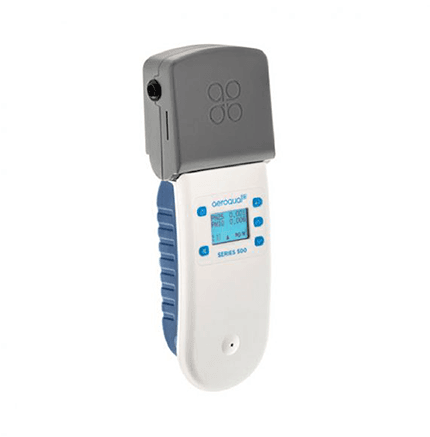
A PM 10 dust monitor is a specialised instrument that measures coarse dust particles up to 10 micrometres in size. These particles come from roads, construction, crushing and industrial work, and they can harm health and breach air quality limits. A reliable PM 10 dust monitor gives real-time readings so you can act quickly. In this guide, we explain what a PM 10 dust monitor is, why it matters and how to choose one.
What Is a PM 10 Dust Monitor?
A PM 10 dust monitor is an air quality device that measures particulate matter with a diameter of 10 micrometres or less. PM 10 includes dust, pollen and coarse particles that you can sometimes see in the air. The monitor reports the concentration in real time, usually in micrograms per cubic metre. Many models measure PM 2.5 as well, giving a fuller picture of air quality. As a result, a PM 10 dust monitor is essential wherever coarse dust is a concern.
Why a PM 10 Dust Monitor Matters
Coarse dust can irritate the eyes, nose and lungs, so a PM 10 dust monitor protects health on dusty sites. For example, construction, demolition and material handling release large amounts of PM 10 quickly. Without a PM 10 dust monitor, these levels go unnoticed until people suffer or limits are exceeded. Therefore, the monitor helps you take fast action, control dust and stay compliant with regulations.
Key Benefits of a PM 10 Dust Monitor
A good PM 10 dust monitor offers several advantages:
- Accurate PM 10 readings in real time.
- Instant alerts when coarse dust rises too high.
- Health protection for workers and the public.
- Compliance with air quality standards.
- Data logging for reports and analysis.
How a PM 10 Dust Monitor Works
A PM 10 dust monitor usually uses laser light-scattering technology. Air flows through a sensing chamber, and PM 10 particles scatter a beam of light. The sensor measures the scattering and converts it into a concentration value. Advanced units add displays, cloud access, alerts and dashboards. Because of this, a PM 10 dust monitor delivers reliable, real-time data for indoor and outdoor use.
PM 10 vs PM 2.5: What Is the Difference?
It helps to know how PM 10 differs from PM 2.5. PM 10 covers coarser particles up to 10 micrometres, such as road dust and construction debris. PM 2.5 covers finer particles up to 2.5 micrometres, which travel deeper into the lungs. A PM 10 dust monitor focuses on coarse dust, but many modern units measure both. Monitoring both gives the clearest picture of air quality and health risk.
Where a PM 10 Dust Monitor Is Used
A PM 10 dust monitor is used in many places, including:
- Construction and demolition sites.
- Roadworks and material handling areas.
- Mining and quarrying zones.
- Industrial plants with coarse dust.
- Urban air quality monitoring networks.
Choosing the Right PM 10 Dust Monitor
When choosing a PM 10 dust monitor, focus on accuracy, range and durability. First, confirm precise PM 10 measurement, and ideally PM 2.5 too. Next, check the update frequency and alert features. Also consider connectivity, data storage and whether the unit suits indoor or outdoor use. Finally, choose a trusted supplier for calibration and support. See our full range on the products page, and learn about PM standards from the US EPA.
Conclusion
A PM 10 dust monitor is the best way to measure coarse dust accurately and in real time. It protects health, supports compliance and helps you control dust before it becomes a problem. Whether you manage a construction site, a plant or an urban network, the right PM 10 dust monitor is a valuable tool. To find the ideal model, contact Saksham Scientific today.