
PM 2.5 Dust Monitor: Accurate Monitoring of Fine Particulate Matter
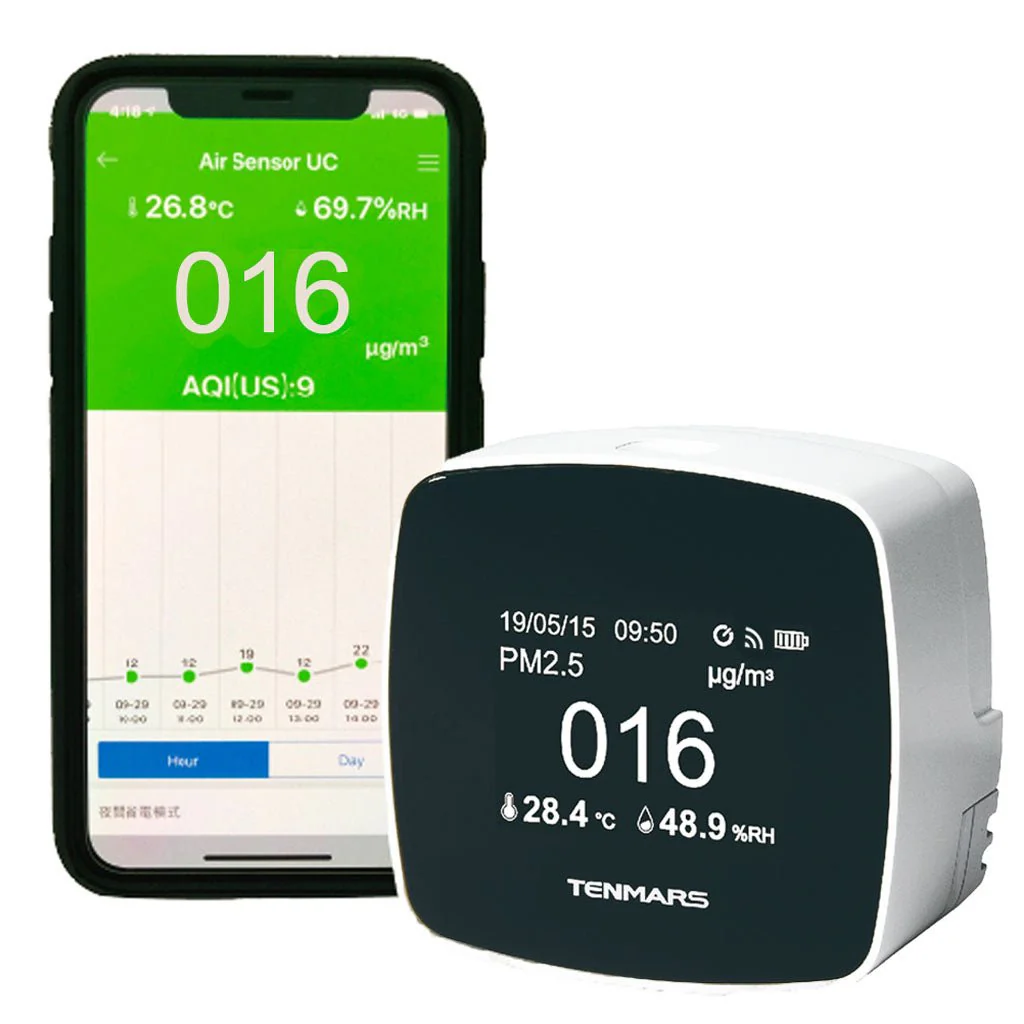
Air pollution is a serious concern in urban, industrial, and indoor environments, and PM 2.5 is one of the most harmful pollutants affecting human health. A PM 2.5 Dust Monitor is a specialized device designed to measure fine particulate matter in the air, helping individuals, industries, and authorities monitor air quality and take timely action to reduce health risks.
What Is PM 2.5?
PM 2.5 refers to particulate matter with a diameter of 2.5 micrometers or less. These particles are extremely small—about 30 times thinner than a human hair—and can penetrate deep into the lungs and even enter the bloodstream. Common sources of PM 2.5 include:
-
Vehicle exhaust emissions
-
Industrial combustion processes
-
Construction and demolition activities
-
Power plants and generators
-
Burning of fuels, waste, or biomass
Because of their fine size, PM 2.5 particles pose greater health risks than larger dust particles.
What Is a PM 2.5 Dust Monitor?
A PM 2.5 Dust Monitor is an air quality monitoring device that measures the concentration of fine dust particles in real time or continuously. The readings are usually displayed in micrograms per cubic meter (µg/m³), allowing users to understand current air quality levels and identify pollution trends.
PM 2.5 Dust Monitors are commonly used in:
-
Industrial plants and factories
-
Construction and infrastructure sites
-
Offices, schools, and hospitals
-
Residential buildings
-
Environmental and urban air quality monitoring
Why PM 2.5 Dust Monitoring Is Important
Monitoring PM 2.5 levels is critical for health, safety, and compliance:
Health Protection
Long-term exposure to PM 2.5 can cause respiratory diseases, asthma, heart problems, and reduced lung function. Children, elderly individuals, and people with existing health conditions are particularly vulnerable.
Workplace Safety
In industrial environments, high PM 2.5 levels indicate unsafe air conditions. Continuous monitoring helps employers take preventive actions such as improving ventilation or controlling emission sources.
Regulatory Compliance
Environmental authorities have defined permissible limits for PM 2.5. Using a PM 2.5 Dust Monitor helps organizations comply with air quality regulations and avoid penalties.
Indoor Air Quality Management
Indoor PM 2.5 levels can rise due to cooking, smoking, machinery, or outdoor air infiltration. Monitoring helps maintain healthier indoor environments.
How a PM 2.5 Dust Monitor Works
Most PM 2.5 Dust Monitors use optical or laser-based sensing technology. The working process includes:
-
Drawing ambient air into the sensor chamber
-
Passing particles through a light beam
-
Detecting scattered light from PM 2.5 particles
-
Calculating particle concentration
-
Displaying real-time PM 2.5 values
Advanced monitors may also offer data logging, alerts, and cloud-based remote monitoring.
Key Features of a PM 2.5 Dust Monitor
A good PM 2.5 Dust Monitor typically includes:
-
Accurate PM 2.5 measurement
-
Real-time and continuous monitoring
-
Data logging and reporting
-
Alerts when PM 2.5 exceeds safe limits
-
Durable design for industrial use
-
Connectivity options such as Wi-Fi or GSM
Applications of PM 2.5 Dust Monitors
PM 2.5 Dust Monitors are widely used in:
-
Manufacturing and industrial facilities
-
Construction and demolition sites
-
Power plants and refineries
-
Offices, schools, and healthcare facilities
-
Smart cities and environmental monitoring projects
Benefits of Using a PM 2.5 Dust Monitor
Using a PM 2.5 Dust Monitor offers several benefits:
-
Early detection of harmful air conditions
-
Improved health and safety
-
Reliable data for compliance and audits
-
Better air quality control strategies
-
Increased awareness of pollution trends
Conclusion
A PM 2.5 Dust Monitor is an essential tool for managing air quality in environments where fine particulate matter poses a risk. By accurately measuring PM 2.5 levels, it helps protect health, improve workplace safety, and support compliance with air quality standards. Whether used in industrial settings, construction sites, or indoor spaces, investing in a reliable PM 2.5 Dust Monitor is a proactive step toward cleaner air and a healthier future.