
PM 2.5 Dust Monitor: Detecting Fine Particulate Matter
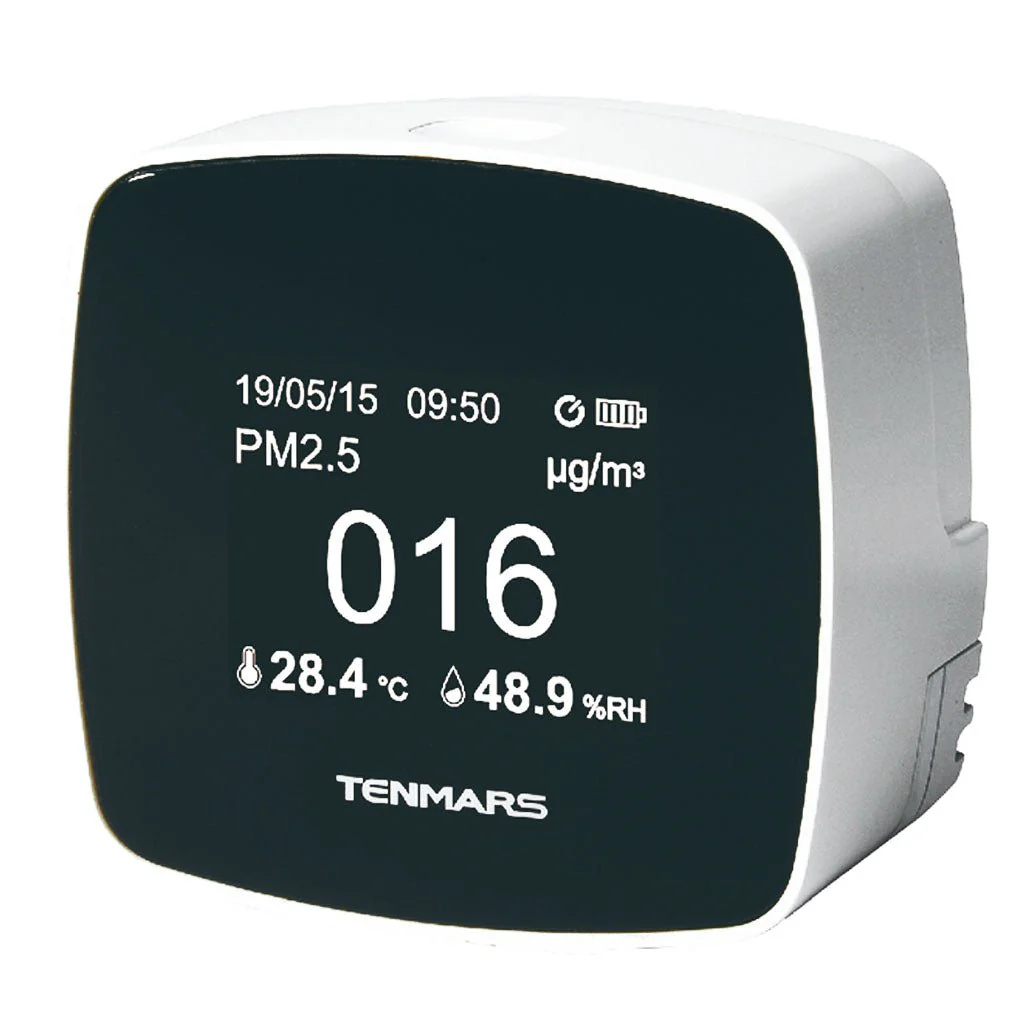
A PM 2.5 dust monitor measures the finest and most dangerous airborne particles, those up to 2.5 micrometres in size. PM 2.5 particles travel deep into the lungs and bloodstream, so tracking them is vital for health and safety. A reliable PM 2.5 dust monitor gives real-time readings and instant alerts. In this guide, we explain what a PM 2.5 dust monitor is, why it matters and how to choose the right one.
What Is a PM 2.5 Dust Monitor?
A PM 2.5 dust monitor is an air quality device that measures fine particulate matter up to 2.5 micrometres across. These particles come from smoke, vehicle exhaust, burning and industrial processes. The monitor reports the concentration in real time, usually in micrograms per cubic metre. Many units measure PM 10 as well, giving a complete view of air quality. Because PM 2.5 is so harmful, this monitor is essential for both indoor and outdoor use.
Why a PM 2.5 Dust Monitor Matters
PM 2.5 is linked to asthma, heart disease and other serious illness, so a PM 2.5 dust monitor protects health directly. Fine particles are invisible, and you cannot judge them by eye. Without a PM 2.5 dust monitor, harmful pollution can build up unnoticed indoors and outdoors. Therefore, the monitor helps you act early, improve ventilation and keep exposure within safe limits.
Key Benefits of a PM 2.5 Dust Monitor
- Accurate PM 2.5 readings in real time.
- Instant alerts when fine dust rises too high.
- Strong health protection for sensitive people.
- Compliance with air quality standards.
- Data logging for trends and reports.
How a PM 2.5 Dust Monitor Works
A PM 2.5 dust monitor usually uses laser light-scattering technology. Air flows through a sensing chamber, and fine particles scatter a beam of light. The sensor measures the scattering and converts it into a PM 2.5 value. Advanced units add digital displays, cloud access, mobile apps and alerts. Because of this, a PM 2.5 dust monitor delivers precise, real-time data wherever you place it.
PM 2.5 vs PM 10
PM 2.5 and PM 10 differ in size and risk. PM 2.5 covers fine particles up to 2.5 micrometres that reach deep into the lungs. PM 10 covers coarser dust up to 10 micrometres, such as road and construction dust. A PM 2.5 dust monitor focuses on the finer, more harmful particles, though many units track both. Monitoring both gives the safest, most complete picture of air quality.
Where a PM 2.5 Dust Monitor Is Used
- Homes, offices and schools for indoor air quality.
- Hospitals and clean rooms that need pure air.
- Industrial plants and workshops.
- Urban air quality networks.
- Construction and traffic-heavy areas.
Choosing the Right PM 2.5 Dust Monitor
When choosing a PM 2.5 dust monitor, focus on accuracy, sensitivity and features. First, confirm precise PM 2.5 measurement, and ideally PM 10 too. Next, check the update speed and alert options. Also consider connectivity, data storage and whether the unit suits indoor or outdoor use. Finally, pick a trusted supplier for calibration and support. See our range on the products page, and learn about health limits from the World Health Organization.
Conclusion
A PM 2.5 dust monitor is the best way to track fine, harmful particles in real time. It protects health, supports compliance and helps you act before pollution becomes dangerous. Whether for a home, office, hospital or plant, the right PM 2.5 dust monitor is a wise investment. To find the ideal model, contact Saksham Scientific today.