
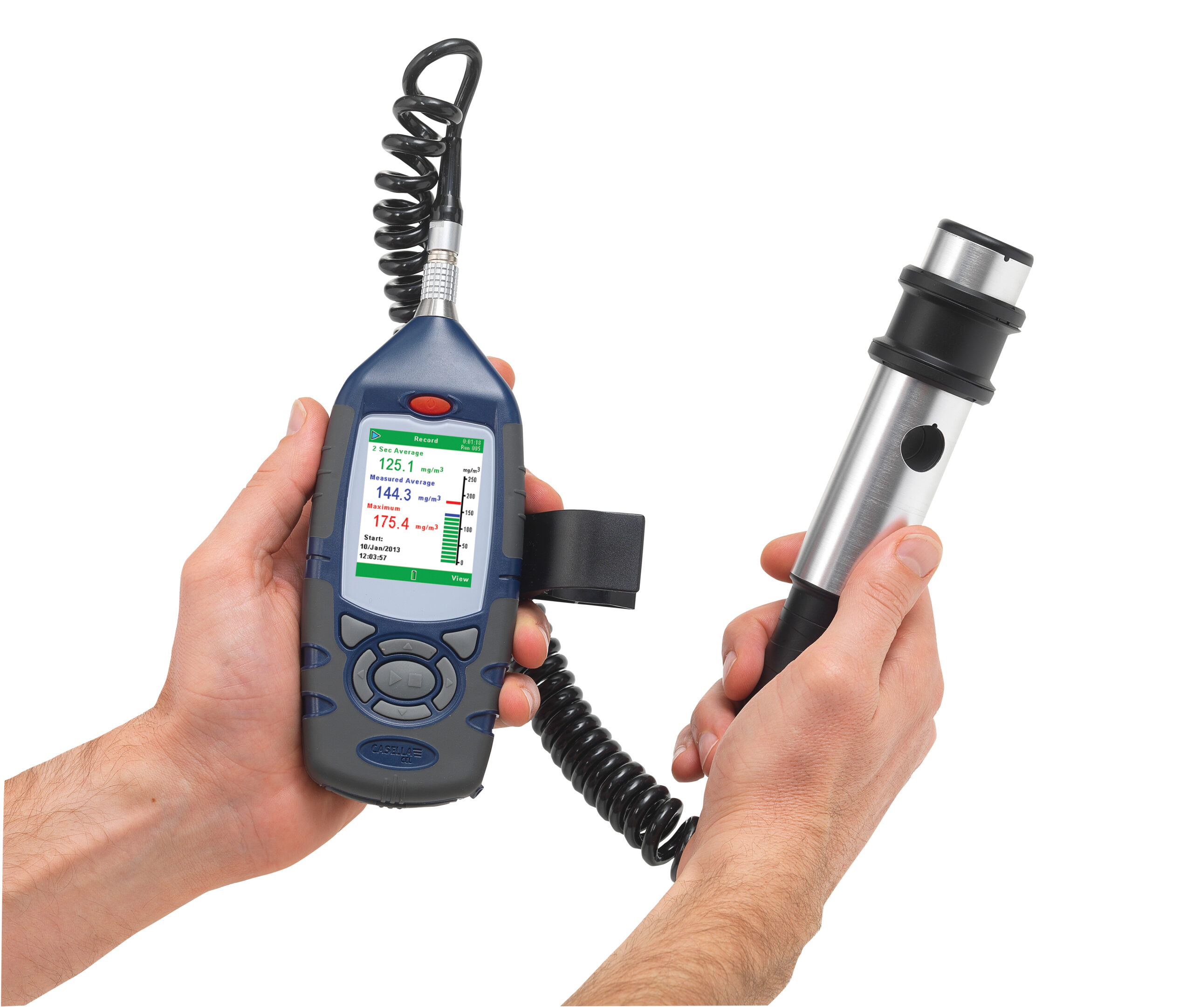
Air pollution is a growing concern in residential, commercial, and industrial environments. Dust particles, though often invisible, can seriously impact health, safety, and productivity. A Real Time Dust Monitor is an advanced solution that continuously measures airborne dust levels and provides instant data, enabling quick action to maintain safe air quality.
What Is a Real Time Dust Monitor?
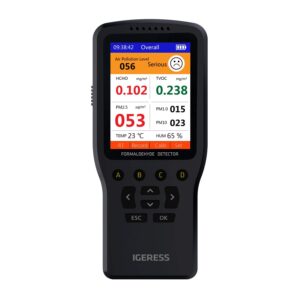
A Real Time Dust Monitor is a device that measures dust and particulate matter in the air continuously, without delay. Unlike traditional monitoring methods that provide periodic readings, real time monitors display live dust concentration levels as they change.
These monitors typically track:
-
PM2.5 – fine particles that penetrate deep into the lungs
-
PM10 – larger dust particles from construction, traffic, and industrial activities
Real time monitoring allows immediate awareness of air quality conditions.
How Real Time Dust Monitors Work

Real time dust monitor use optical or laser-based sensors. Air is drawn into the device, where dust particles pass through a light beam. The scattered light is analyzed to calculate particle size and concentration.
Common features include:
-
Continuous real time readings
-
Digital display or cloud dashboard
-
Alerts when dust exceeds safe limits
-
Data logging for reports and compliance
-
Wireless connectivity via Wi-Fi or GSM
Why Real Time Dust Monitoring Is Important
Dust levels can rise suddenly due to machinery operation, construction work, traffic movement, or weather conditions. Real time dust monitor help users respond immediately by improving ventilation, adjusting processes, or limiting exposure.
In industrial and construction environments, real time monitoring also improves workplace safety and helps prevent health hazards and equipment damage. For organizations, it supports compliance with environmental and occupational safety regulations.
Applications of Real Time Dust Monitors
Real time dust monitors are widely used in:
-
Industrial plants and manufacturing units
-
Construction and demolition sites
-
Offices, schools, and hospitals
-
Mining and quarrying operations
-
Environmental and urban air quality monitoring
Benefits of Using a Real Time Dust Monitor
Using a real time dust monitor offers several advantages:
-
Immediate detection of rising dust levels
-
Better protection for health and safety
-
Improved indoor and outdoor air quality
-
Reliable data for compliance and audits
-
Faster decision-making and control
Choosing the Right Real Time Dust Monitor
When selecting a real time dust monitor, consider accuracy, PM2.5 and PM10 measurement capability, durability, connectivity options, and ease of use. Indoor environments may need compact units, while industrial sites require rugged, high-precision systems.
Conclusion
A Real Time Dust Monitor is an essential tool for controlling air pollution and ensuring safer environments. By delivering instant, accurate data on airborne dust levels, it helps protect health, improve operational efficiency, and maintain regulatory compliance. Investing in real time dust monitoring is a proactive step toward cleaner air and a healthier future.