
Real-Time Dust Monitoring Device: Instant Air Quality Insight
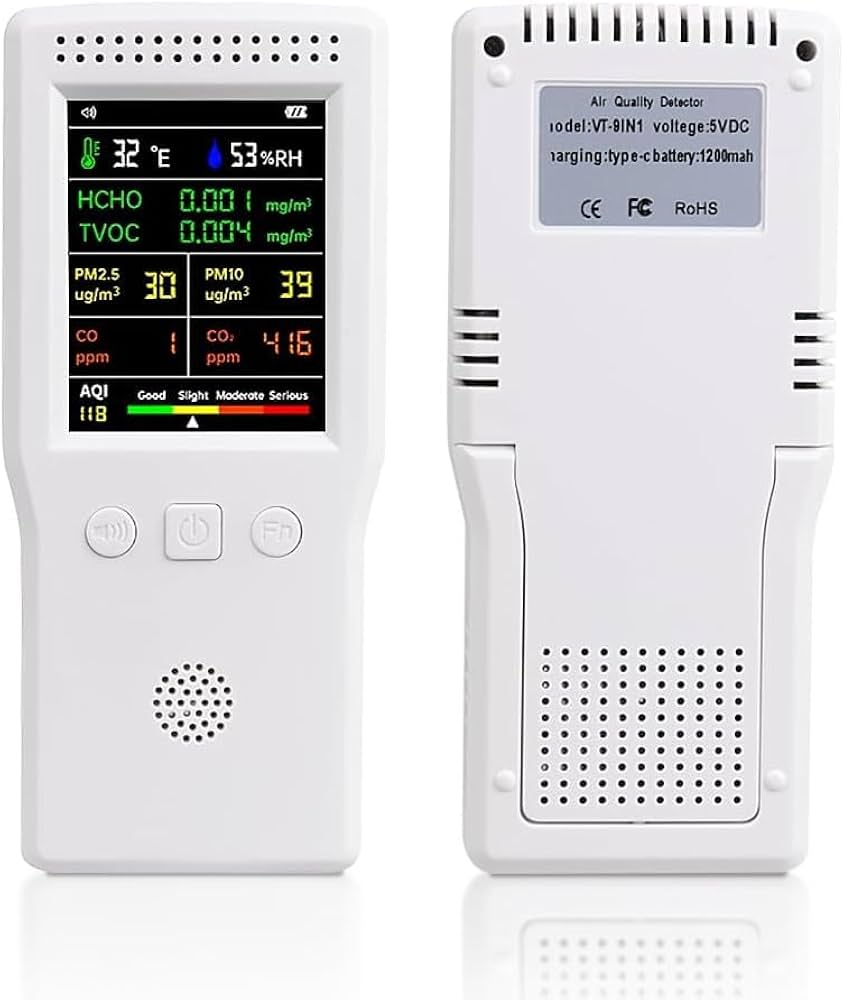
Dust in the air is more than just a nuisance—it’s a health risk and a safety concern. To detect and manage particulate matter effectively, especially in fast-changing environments, you need a Real-Time Dust Monitoring Device. These devices deliver instant air quality measurements, enabling quicker responses that protect health, safety, and operational efficiency.
What Is a Real-Time Dust Monitoring Device?
A Real-Time Dust Monitoring Device is an air quality instrument that continuously measures airborne dust and particulate matter and reports current levels immediately. Unlike traditional monitoring tools that update readings at intervals or require sample processing, real-time devices provide live data that reflects current environmental conditions.
These devices typically measure particulate matter such as:
PM2.5 – fine particles that can penetrate deep into the lungs
PM10 – coarser dust particles from road dust, construction, and industry
They are used in both indoor and outdoor air quality applications.
Why Real-Time Dust Monitoring Matters
Real-time monitoring gives you instant awareness of air quality changes. This capability is critical because dust levels can fluctuate rapidly due to:
Construction activity
Traffic peaks
Weather events (wind, dust storms)
Industrial operations
Material handling or crushing activities
Without real-time insight, dangerous dust levels can go unnoticed until health symptoms appear or regulatory limits are exceeded.
Key Benefits of Real-Time Dust Monitoring Devices
1. Immediate Action When Levels Spike
Real-time devices trigger alerts when dust rises above safe levels, allowing fast responses like improving ventilation, reducing activity, or evacuating areas.
2. Enhanced Health Protection
Continuous monitoring helps reduce exposure to harmful particles, especially for sensitive individuals including children, elderly people, and workers in dusty environments.
3. Compliance with Air Quality Standards
Many workplace safety and environmental regulations require real-time data to demonstrate compliance with particulate matter limits.
4. Better Decision-Making
With live data, organizations can understand patterns and mitigate pollution sources more effectively.
5. Data Logging and Reporting
Most real-time devices record historical data, which is useful for trend analysis, compliance reporting, and long-term planning.
How Real-Time Dust Monitoring Devices Work
Modern real-time dust monitoring devices use optical or laser light scattering technology. Air passes through a sensing chamber where particles scatter light. Sensors detect the scattering and convert it into particulate concentration values for PM2.5 and PM10.
Advanced real-time devices also include:
Digital displays
Cloud connectivity
Mobile app integration
Alerts via SMS or email
Remote dashboards
Where Real-Time Dust Monitoring Devices Are Used
Real-time dust monitoring devices are widely deployed across industries and environments:
Industrial Sites
Factories, processing plants, and manufacturing units use these devices to maintain safe working conditions and meet regulatory standards.
Construction and Demolition
Dust levels can change quickly during construction activities. Real-time monitoring helps enforce dust control measures.
Mining and Quarrying
Monitoring dust in mining zones helps protect workers and nearby communities.
Urban and Outdoor Air Quality Monitoring
Real-time data supports smart city initiatives and public health alerts when pollution spikes.
Indoor Spaces
Offices, schools, hospitals, and residential buildings benefit from real-time air quality monitoring for a healthier environment.
Choosing the Right Real-Time Dust Monitoring Device
When selecting a real-time dust monitoring device, consider:
Accuracy and sensitivity for PM2.5 and PM10
Update frequency (higher real-time resolution offers better insight)
Connectivity options (Wi-Fi, GSM, cloud access)
Data storage and reporting tools
Durability for indoor/outdoor use
Industrial environments may require ruggedized units with continuous operation and alarm systems, while indoor users might prioritize smaller, user-friendly devices.
Conclusion
A Real-Time Dust Monitoring Device is a powerful tool for accurate, instant detection of airborne dust and particulate matter. By providing continuous updates, these devices enable quick decision-making, enhanced health protection, safety compliance, and actionable insights for environmental control.
Whether in factories, construction sites, urban monitoring networks, or indoor spaces, adopting real-time dust monitoring technology is a proactive step toward cleaner air and better health outcomes.